A part of Basel is north of the Rhine and Schaffhausen, on the northern bank of the Rhine, is Swiss as well.
Near Schaffhausen, along this border, is the German enclave Büsingen located inside Switzerland.
I have visitied multiple interesting sections of the German-Swiss border by now, including the enclave of Büsingen.
I will describe these sections from west to east, starting and finishing with the (wet) tripoints on both sides.
In 2013 I visited all the tripoints of Germany together with Ruud.
The tripoint CH-DE-FR is located in the middle of the Rhine, near Basel.

CH-DE-FR
On our way from the Netherlands to Malta our first night is in Bad Säckingen.
When we leave the next morning, on May 10, 2024 we cross the historic bridge over the Rhine.
To my surprise there is a historic border stone from 1810 located on the bridge.
The border is a bit further in the middle of the Rhine nowadays.

Bad Säckingen

Bad Säckingen

Bad Säckingen
I visited Büsingen on October 23, 2024. Büsingen is a German enclave within Switzerland.
A few years ago I was very close to Büsingen, but did not visit it. I assumed it was not a very interesting place. Now that I am more interested in special borders I wanted to visit Büsingen obviously. It turned out however I was right about the village not being very interesting ;-)
The most interesting things to see are the post office with both a German and Swiss postal code and this car with a Büs license plate and a CH sticker, not sure if this is legal.
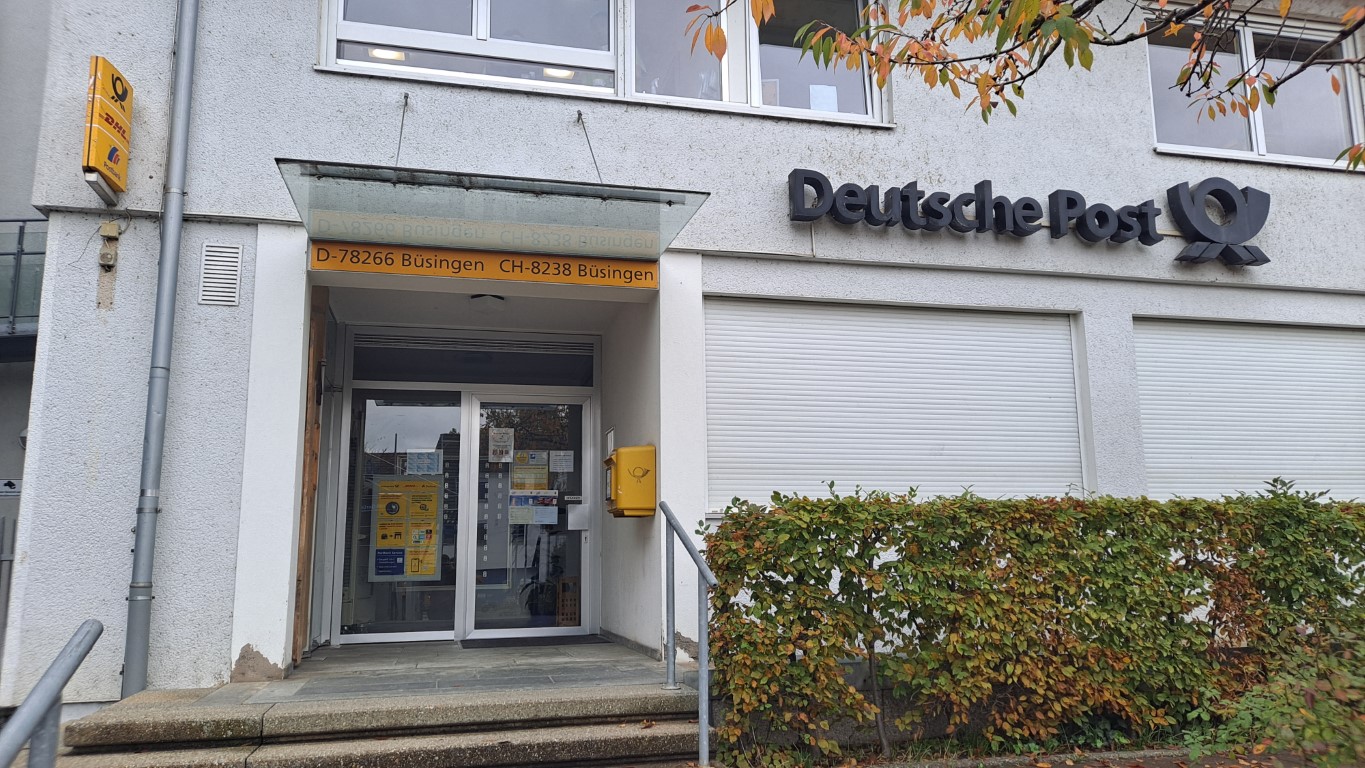
Büsingen
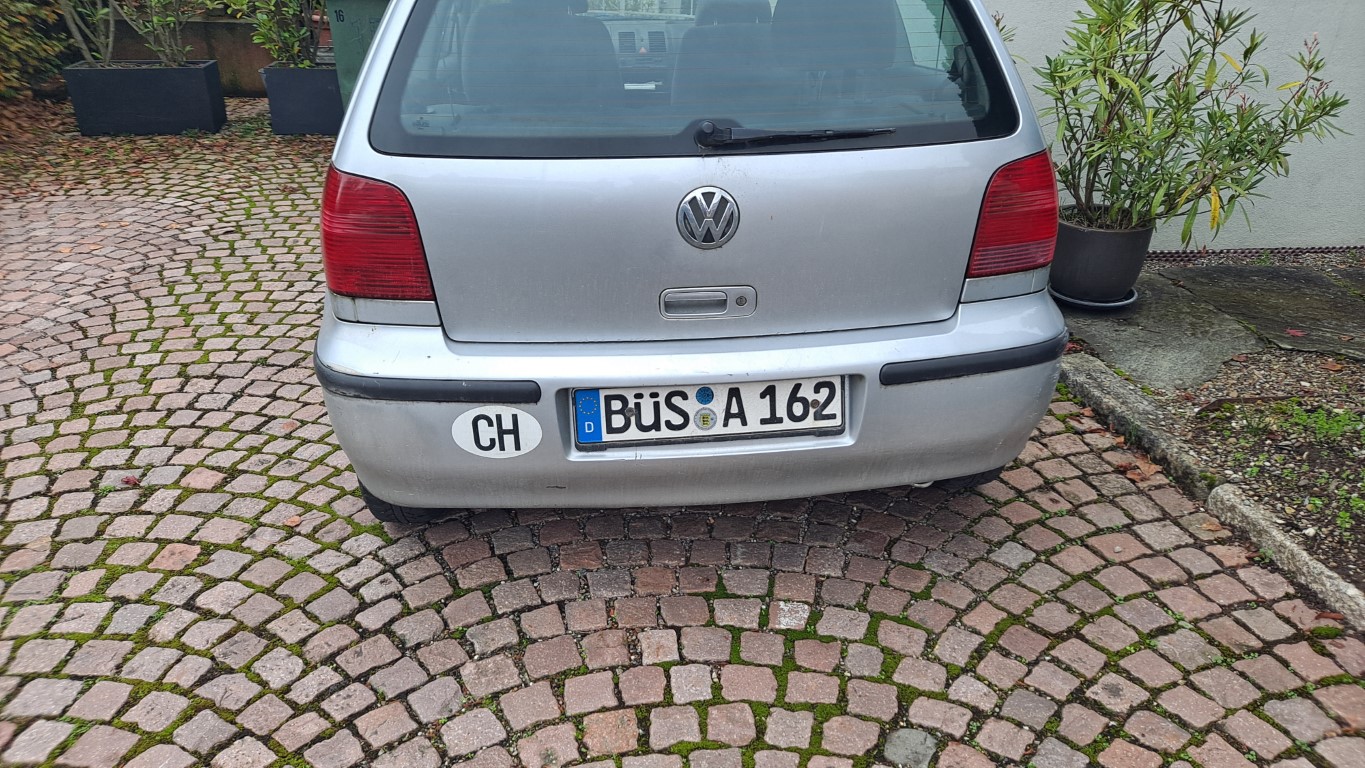
Büsingen
My Deutschlandticket was not valid on the Swiss bus between Schaffhausen and Büsingen but was valid on the German bus from Büsingen towards Singen, without stops in Switzerland.
The southern border of Büsingen is the Rhine, there is a land border with border markers numbering from east (1) to west (123). Border marker 1 is supposed to be in the middle of the Rhine, called Hattinger Stein or Nellenburger Stein.
It is a glacial erratic that can not be seen as it is 1,5 meters below water level.
This boulder can be found in historic writings since 1453. In 1672 the year was engraved in the stone during a period of extreme low water.

Büsingen

1

2

2

3

3

3

4

4

5

5

6

6

6

9

9

10

114

114

115

116

116

117

118

119

119

120

120

121

122

122

123

123

123
On May 28, 2017 I was walking from Schaffhausen to the east, along the Rhine, that forms the border here.
This is far before I started to photograph border markers, but I took a picture of this border stone anyway.

Ramsen 3
Near Konstanz, the Rhine doesn't actually form the border. Konstanz is German, and its center is located on the south bank of the Rhine. Between the Seerhein and Bodensee, the border between Germany and Switzerland runs overland for about 3 kilometers. I followed this border for a while during my visit in September 2025.
On September 5th, 2025, before leaving, I visited the westernmost border stones. The border stones are numbered from east to west, so I'm walking from highest to lowest here.
However, I didn't go higher than number 35; there's a sign indicating this is private property, which I dutifully respected. I expect there are at least two more higher-numbered stones.
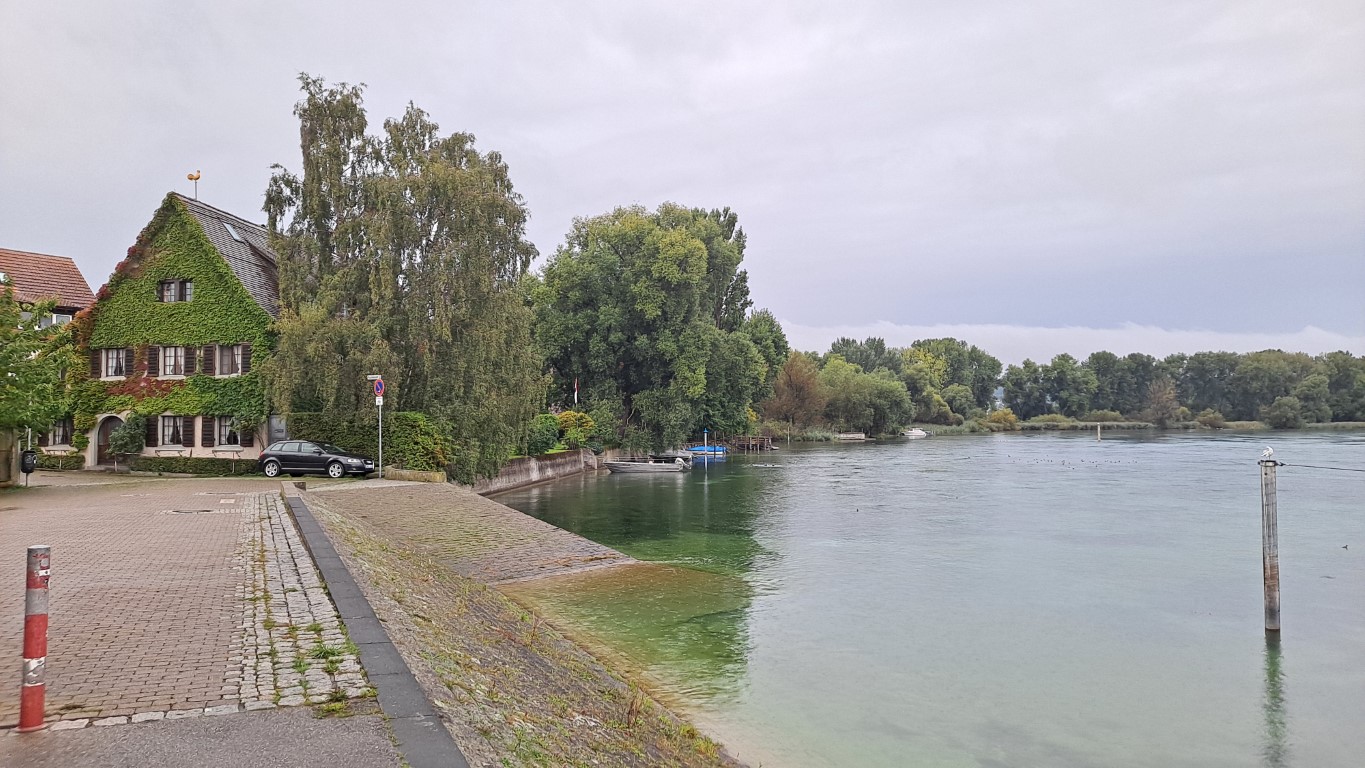
Seerhein
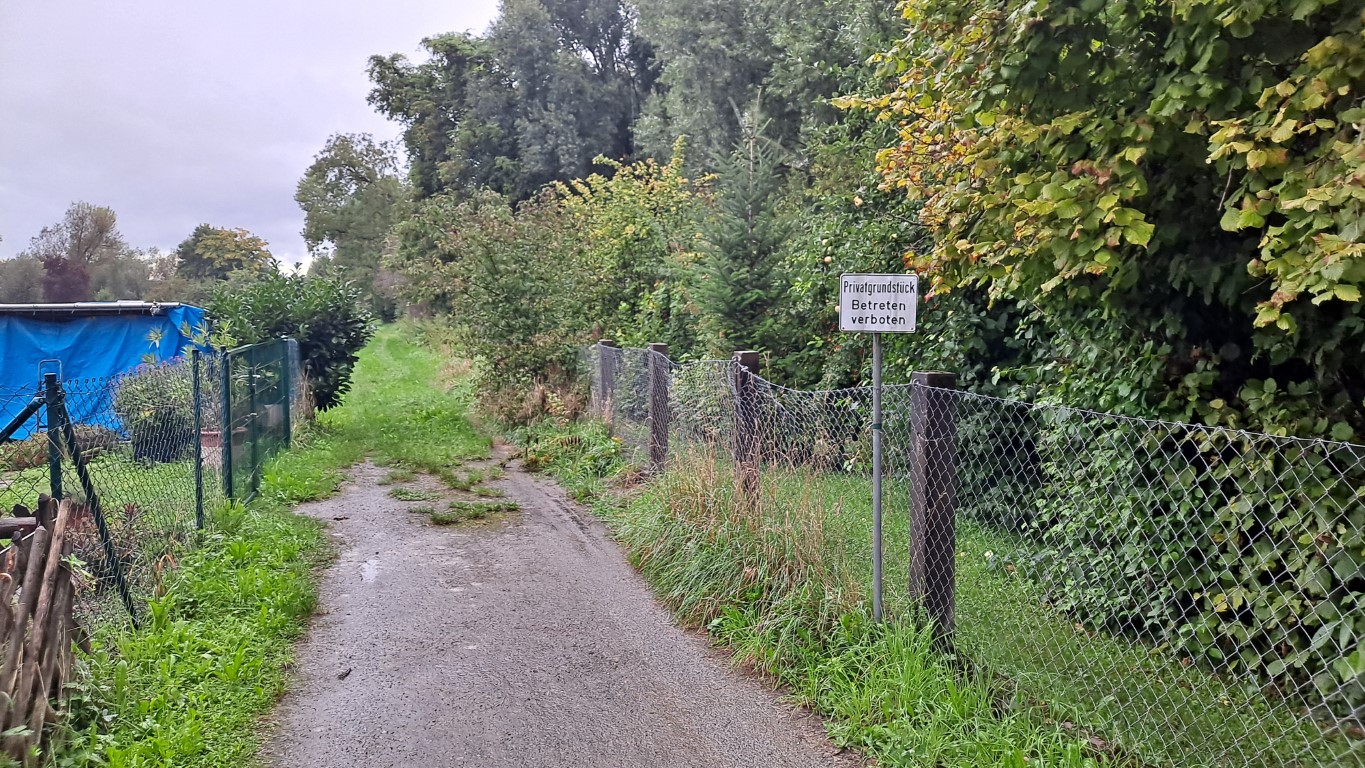
36?
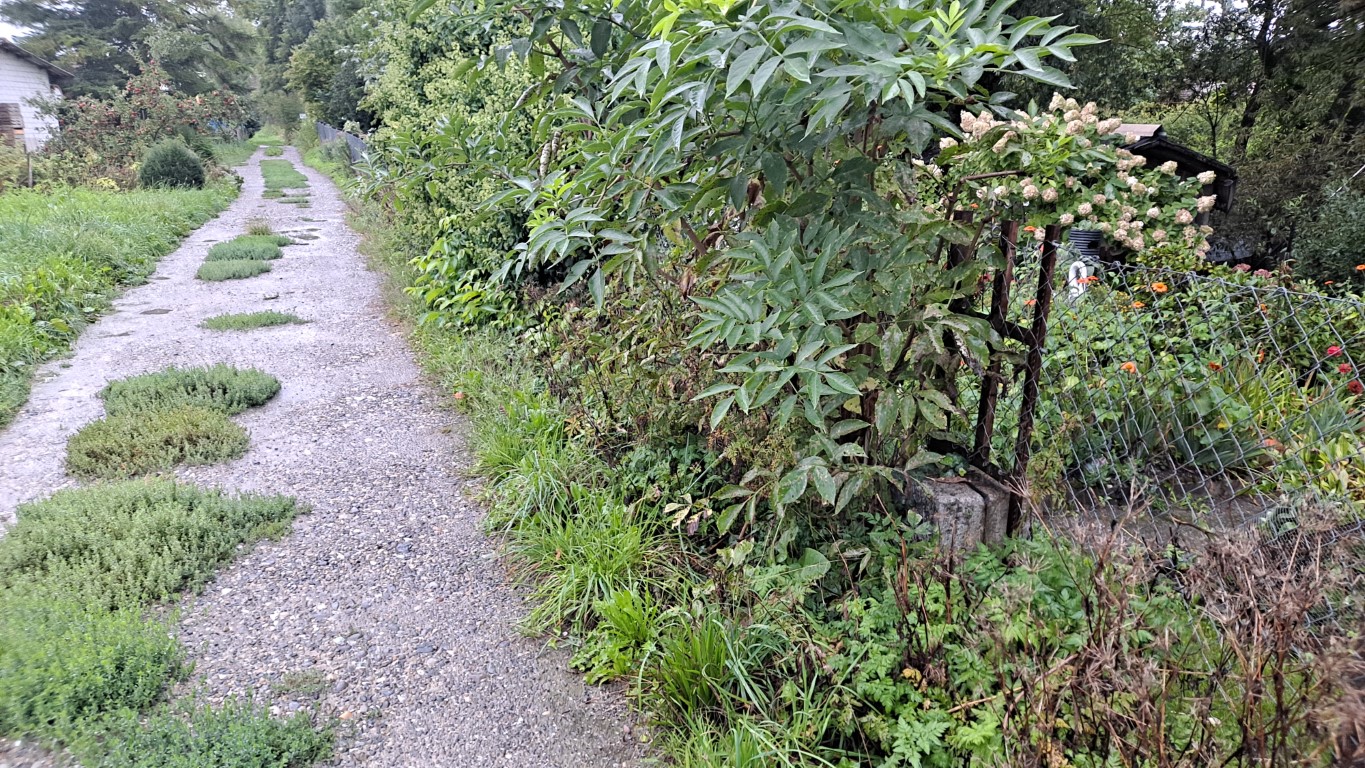
35
They were stationed here at the first border crossing from the west; On both sides of the customs post are border stones: numbers 33 and 32.
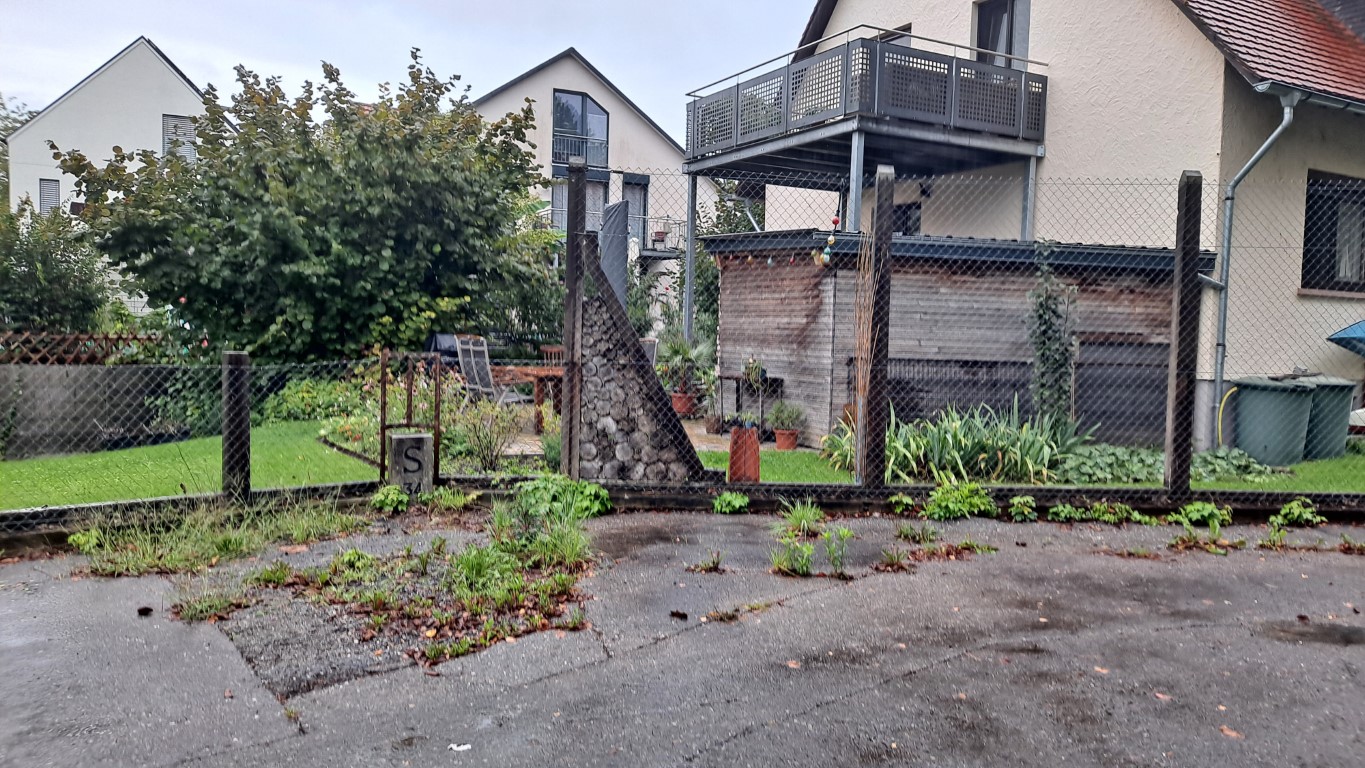
34
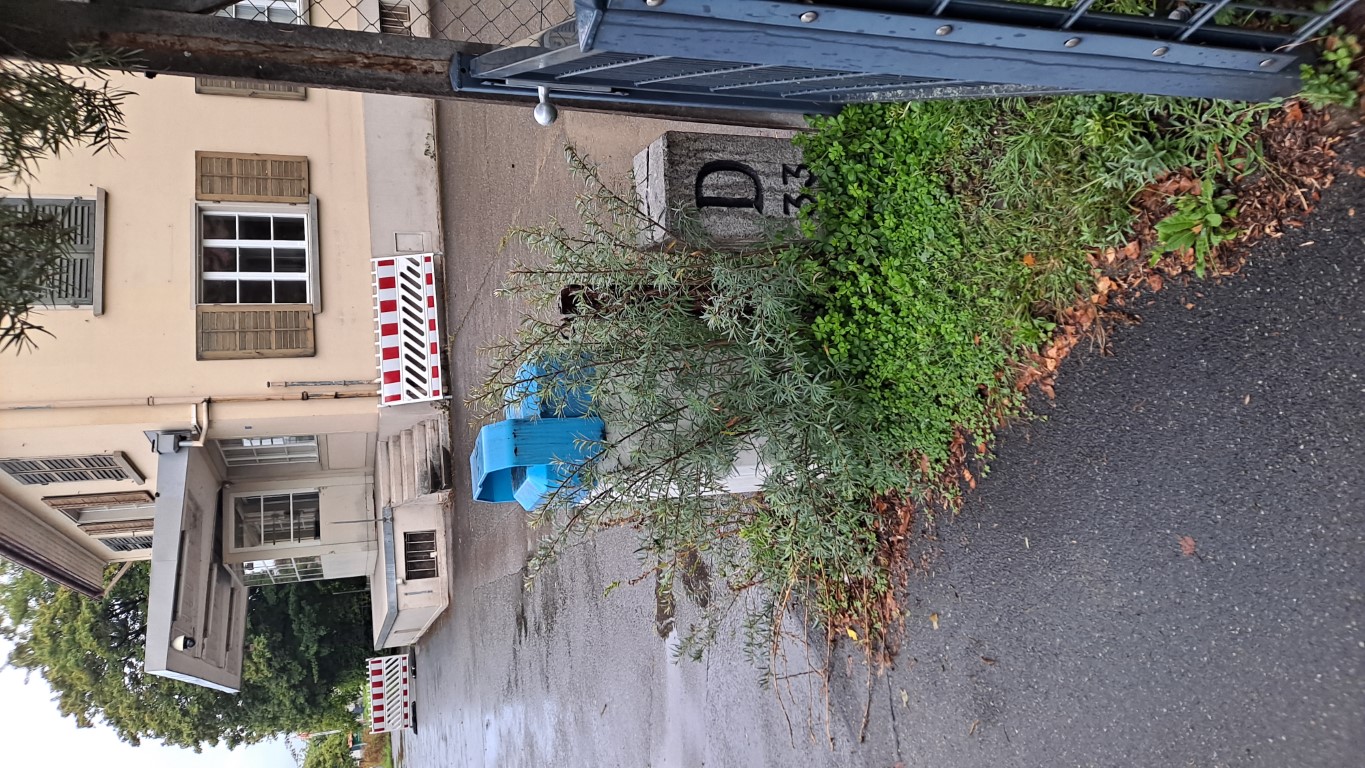
33
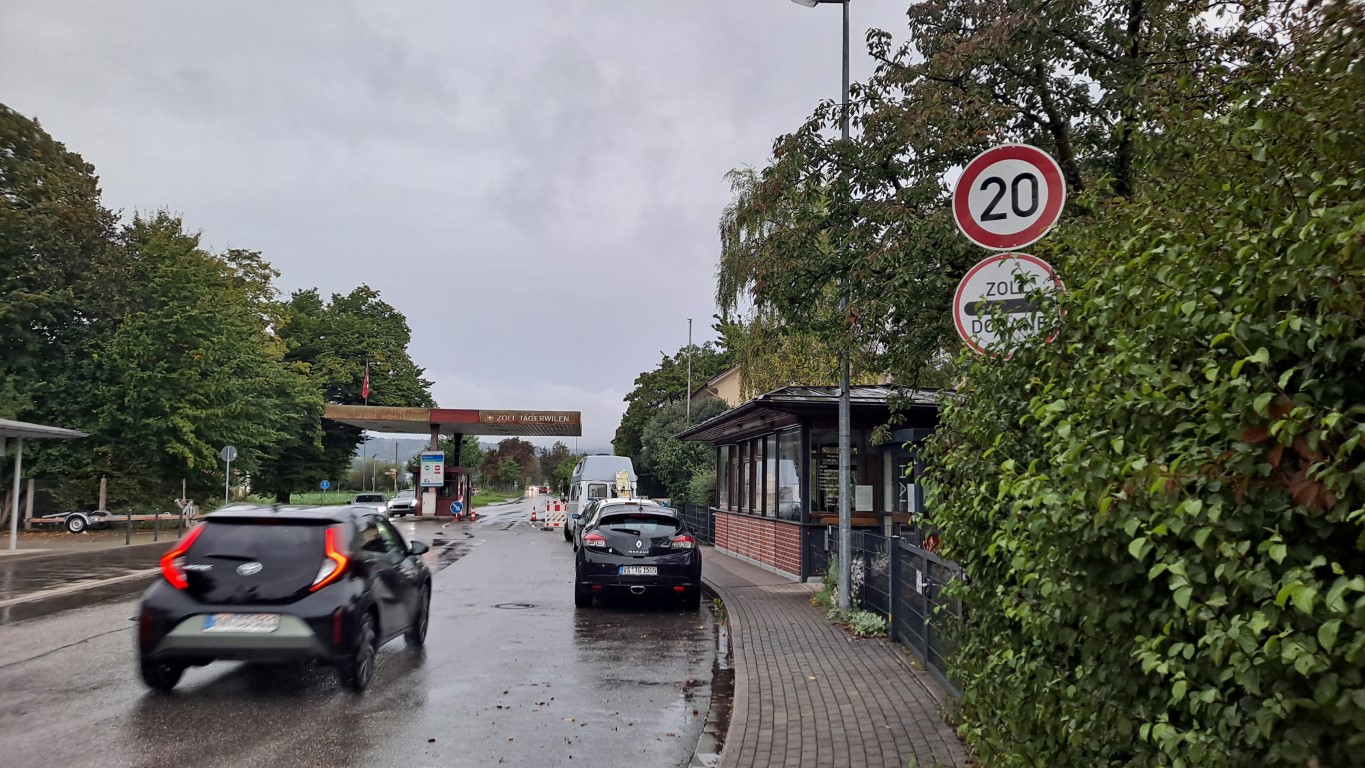
33
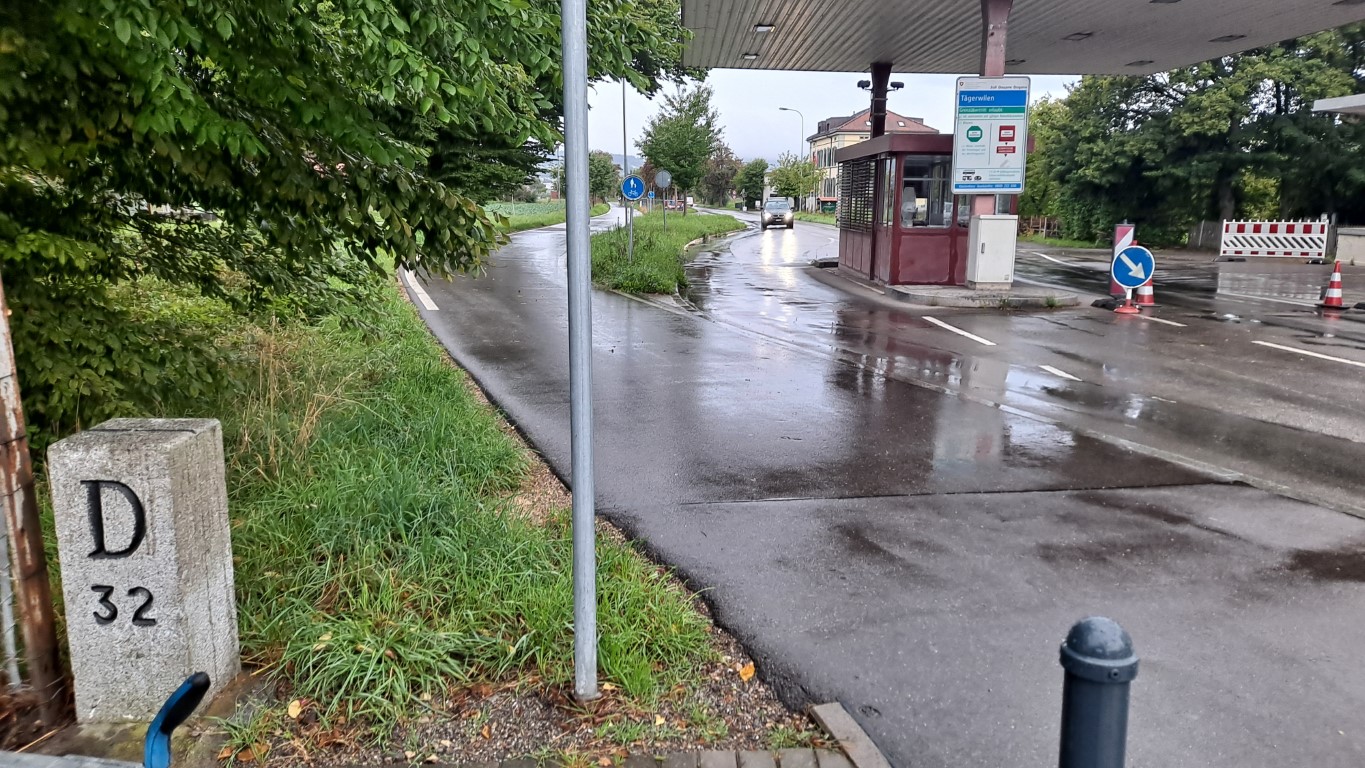
32
But it was also raining quite a bit, so I didn't really feel like looking for more border markers anymore.
The next border crossing (after the highway), is at a actively manned customs post. I didn't find any border stones here, but later I learned that there are iron plates in the wall on both sides and marker 21 is just in the back of the picture I made here.
The first border stone I found on September 4, 2025, is number 20. The border here is formed by a high fence.
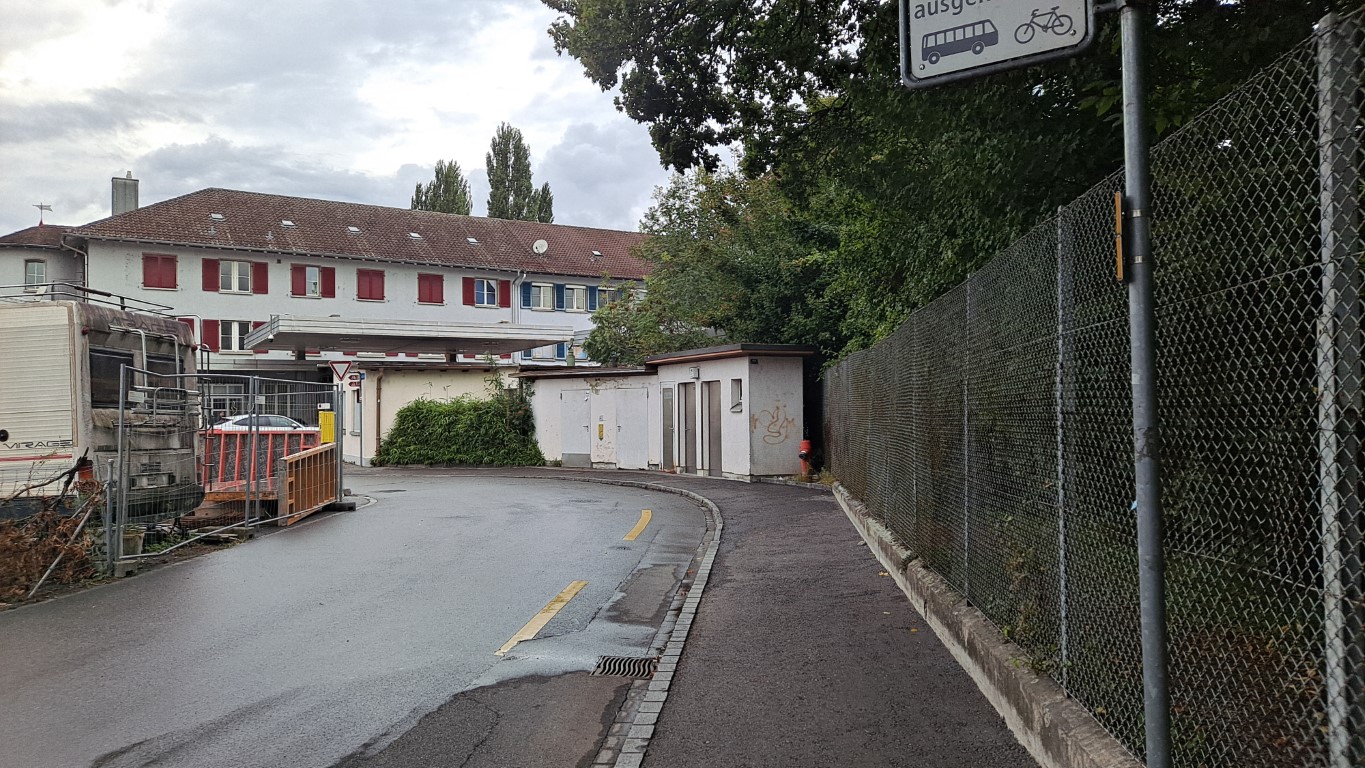
21
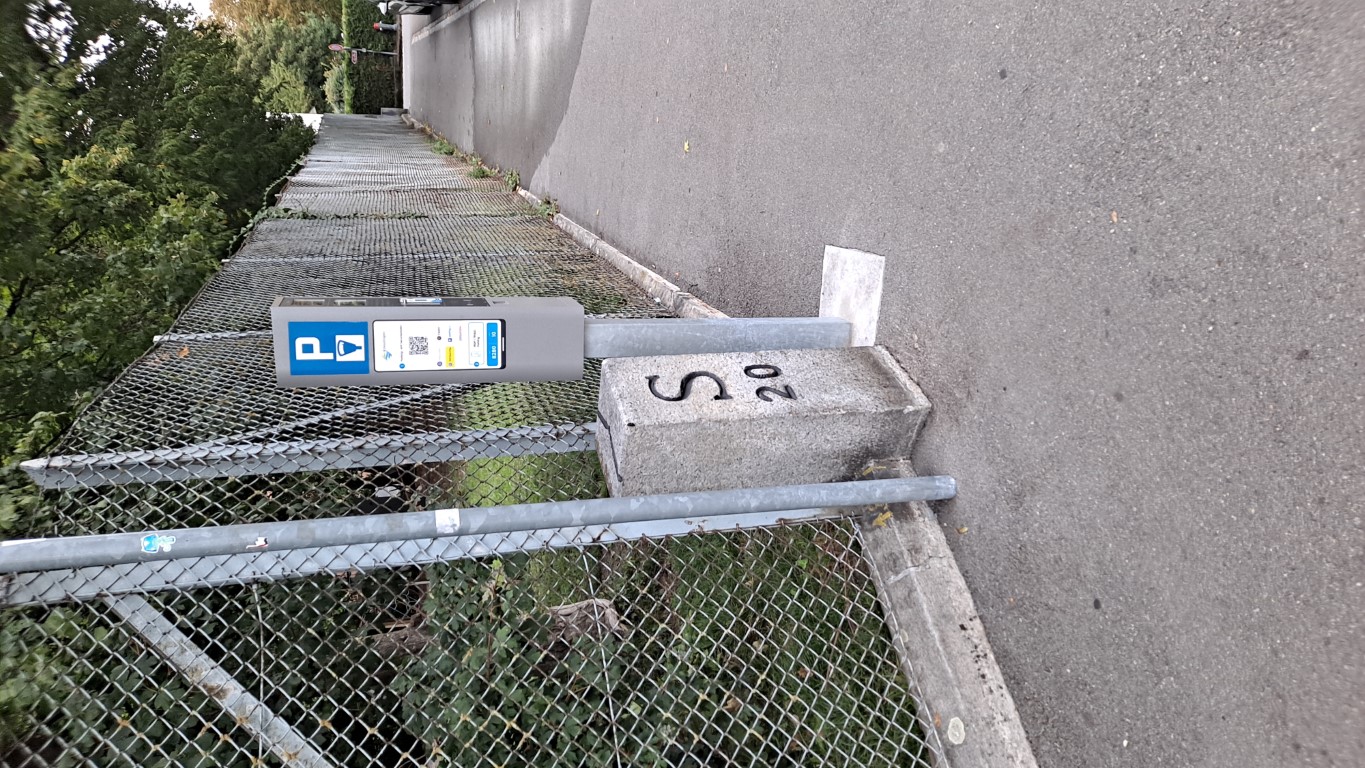
20
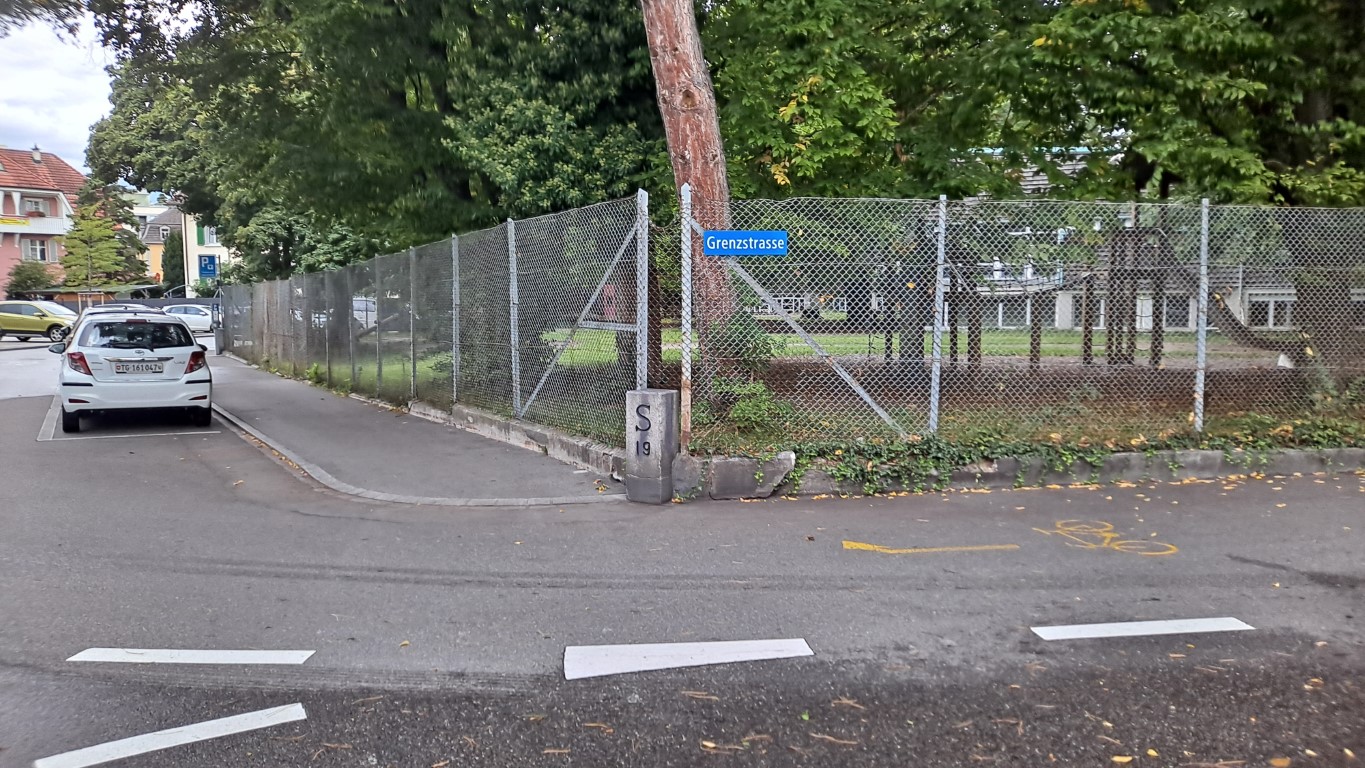
19
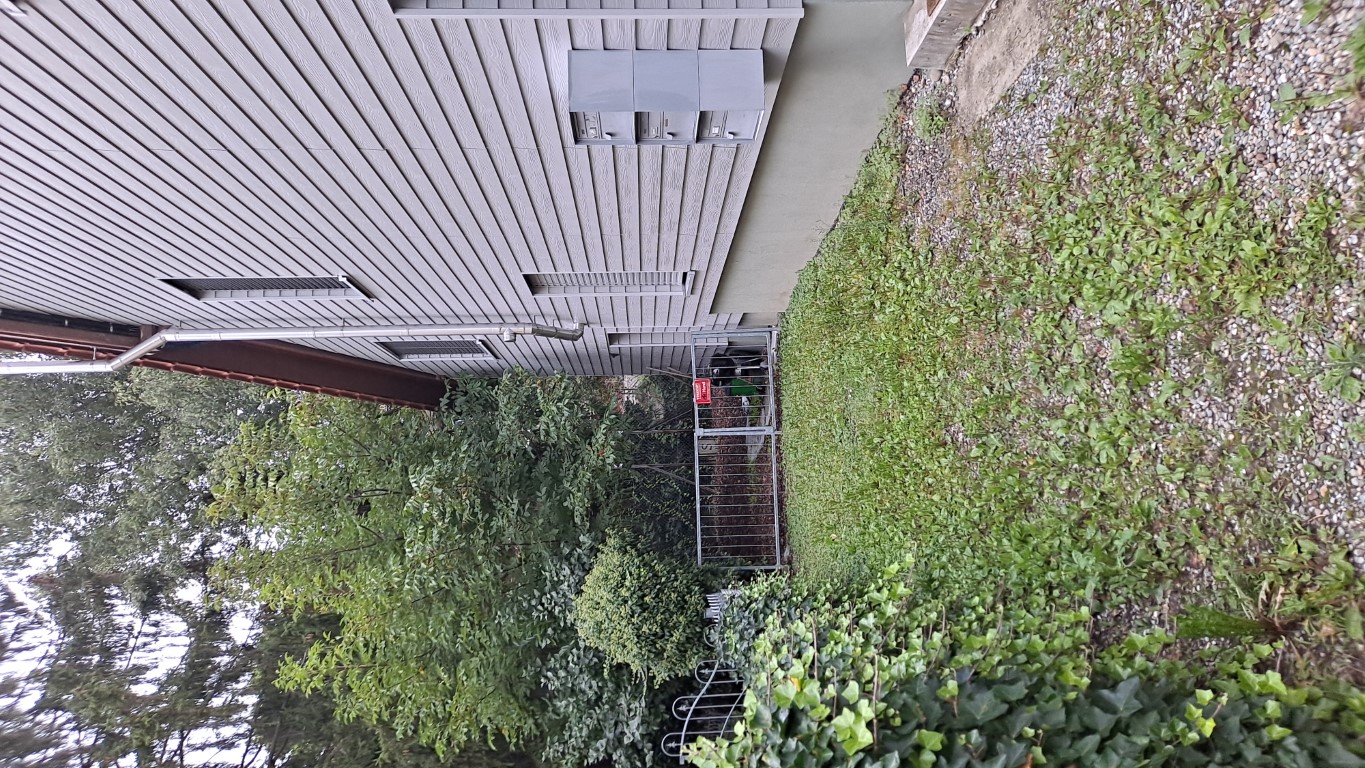
17
While the floor has been painted green, the border doesn't feel too open here, although you can freely roam by foot or bike between the two countries.
At first I can't find marker 15, but on a closer look a manhole cover appears to have taken over the function of stone 15.
Later I learn there are also stones 16A, B and C and metal markers 14A and 14B on the walls.
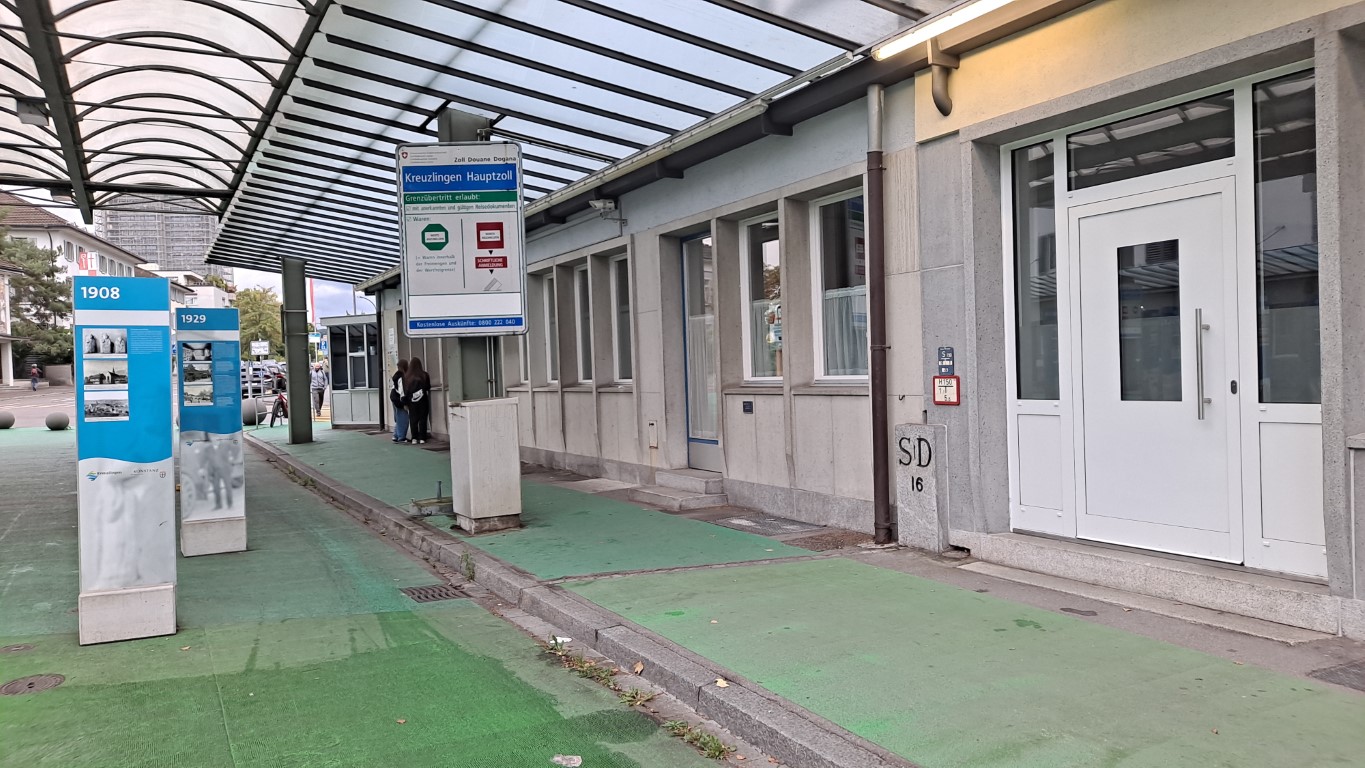
16
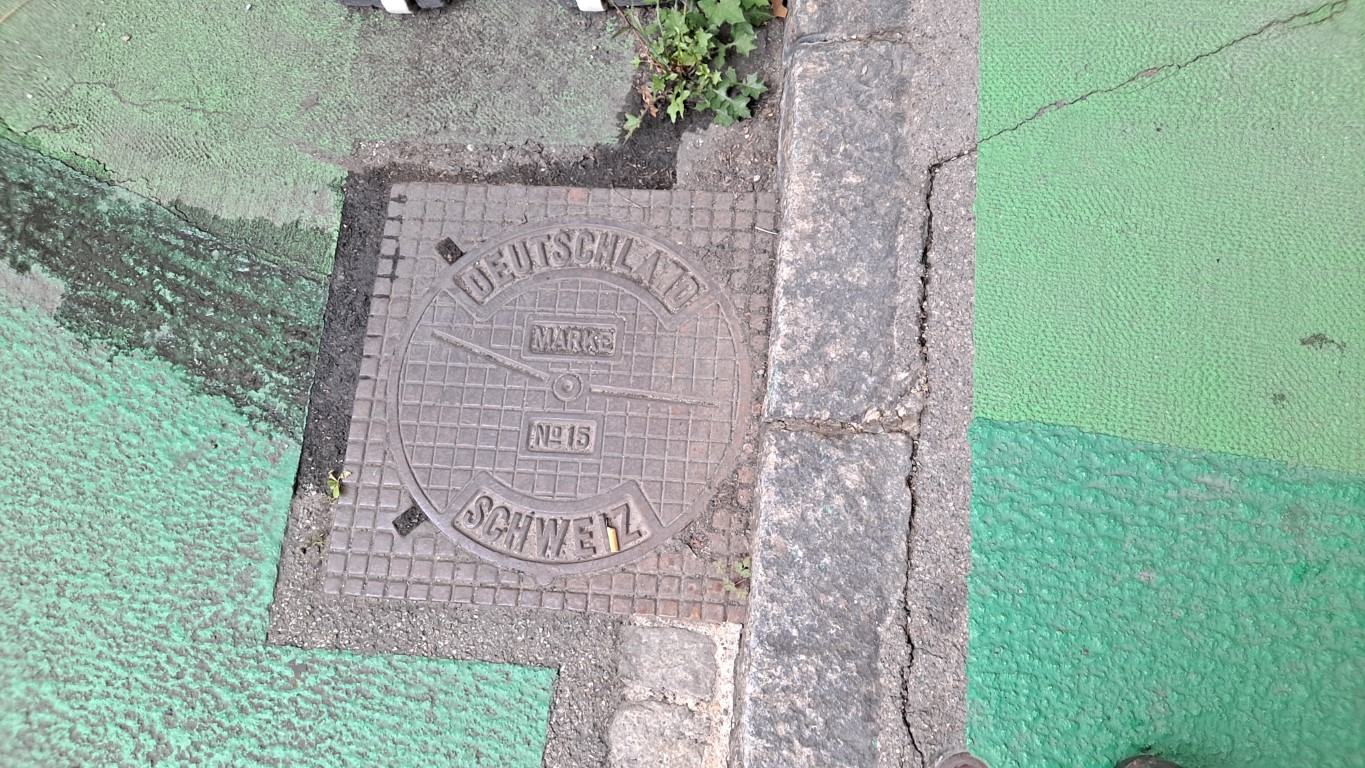
15
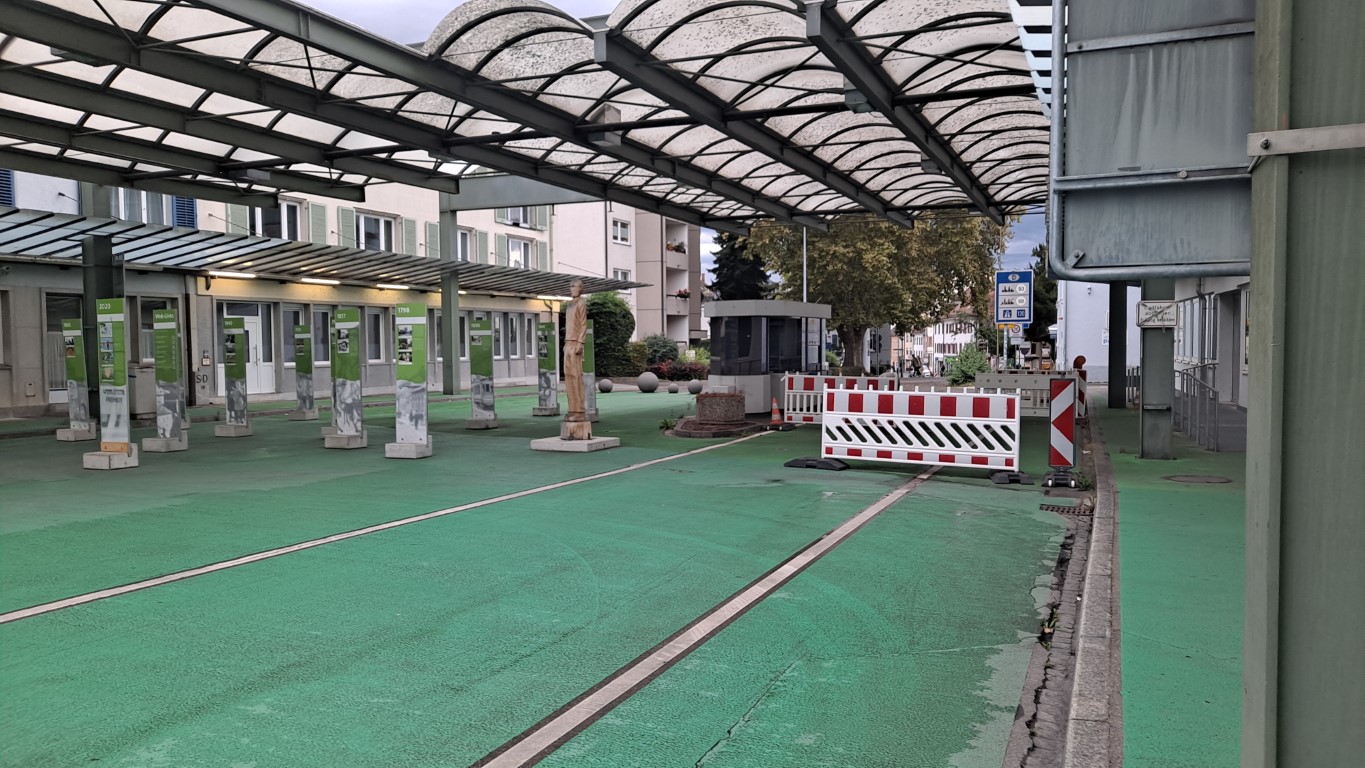
15
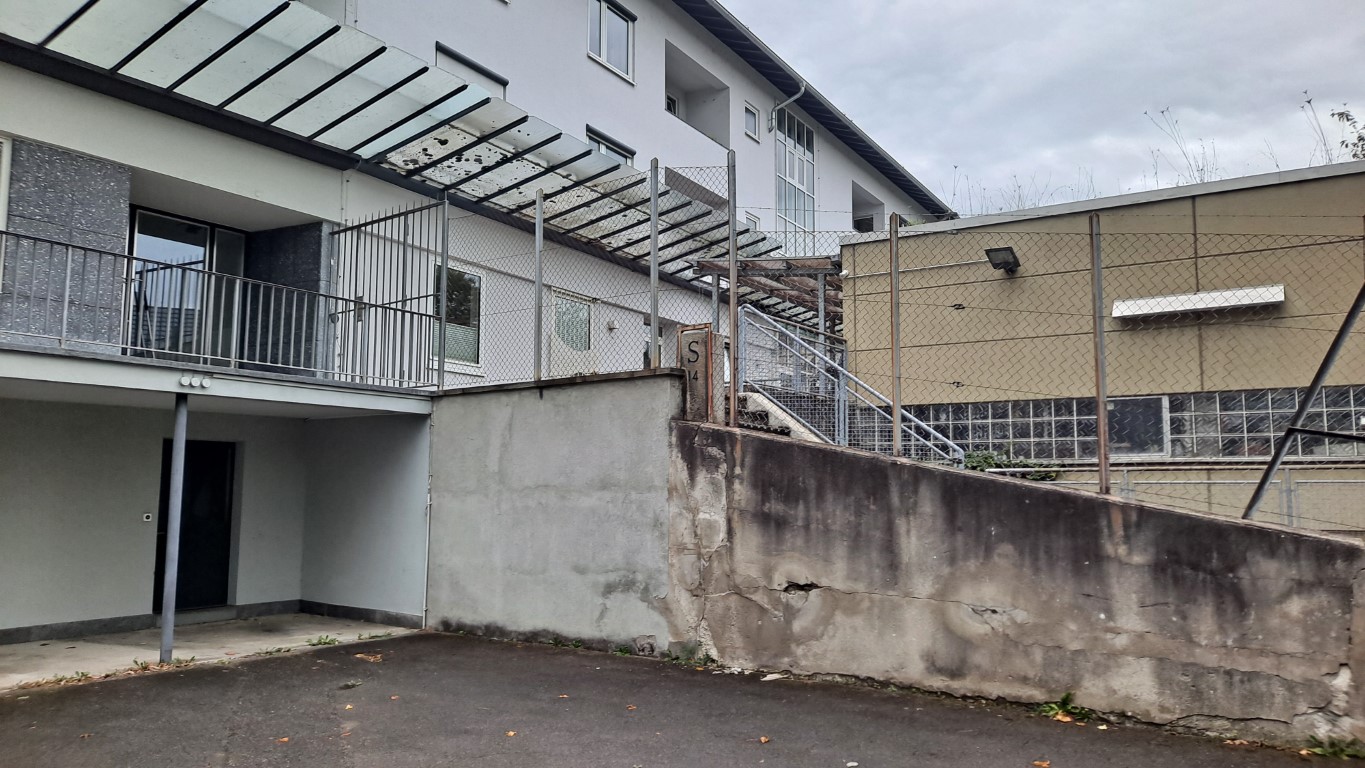
14
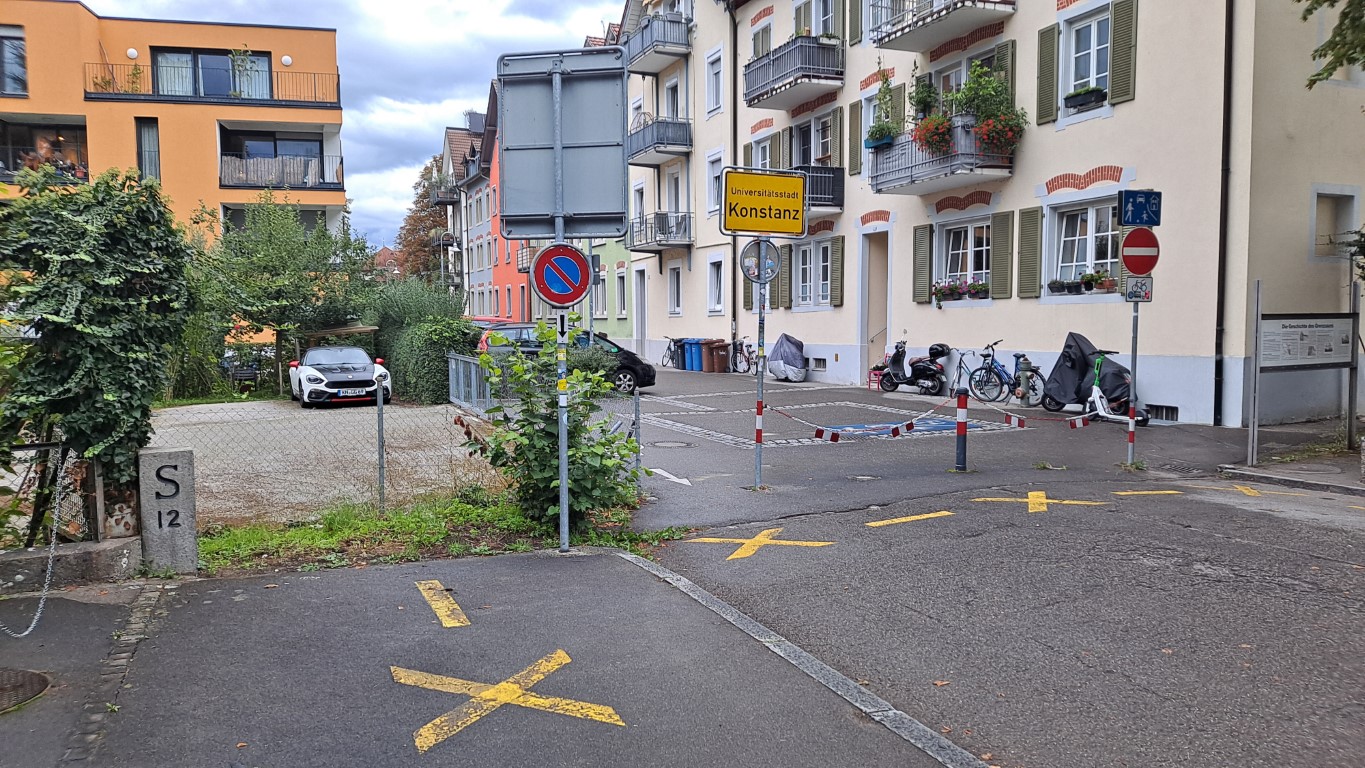
12
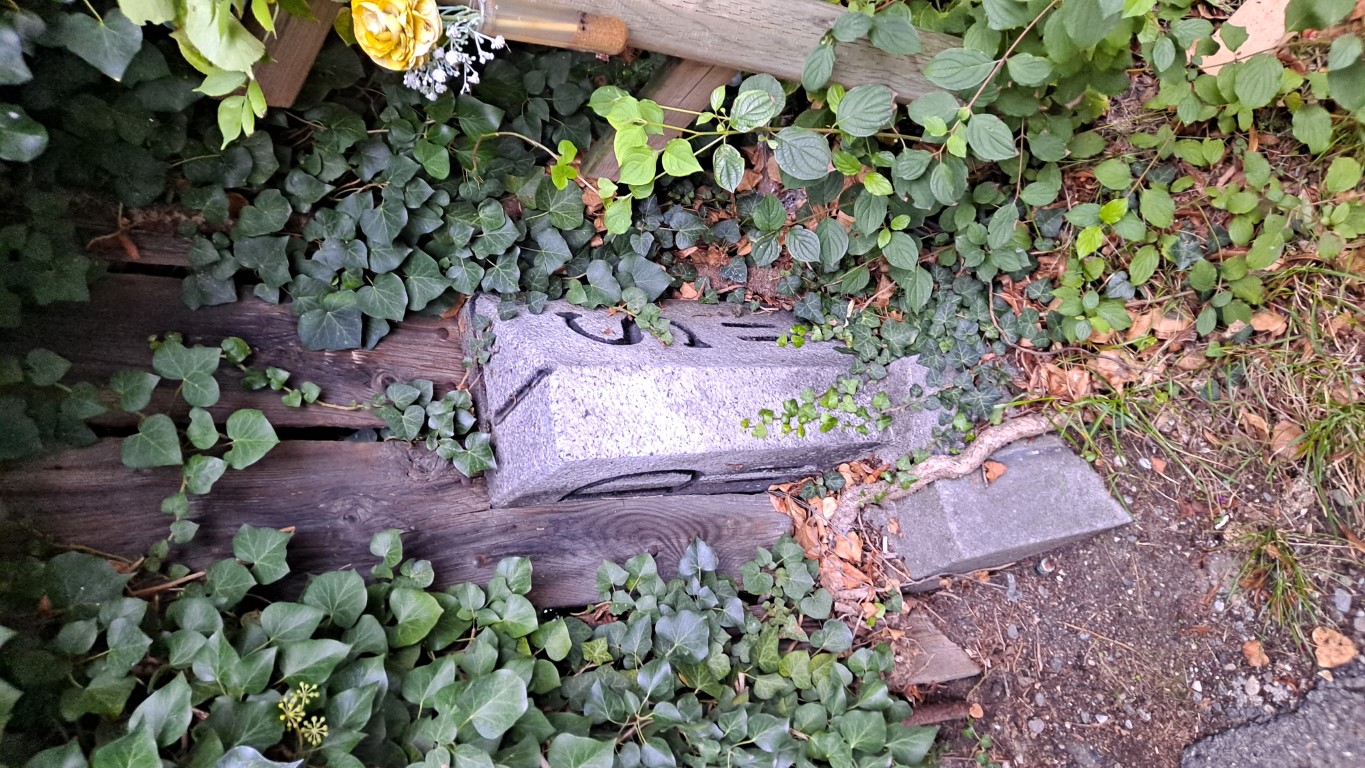
11
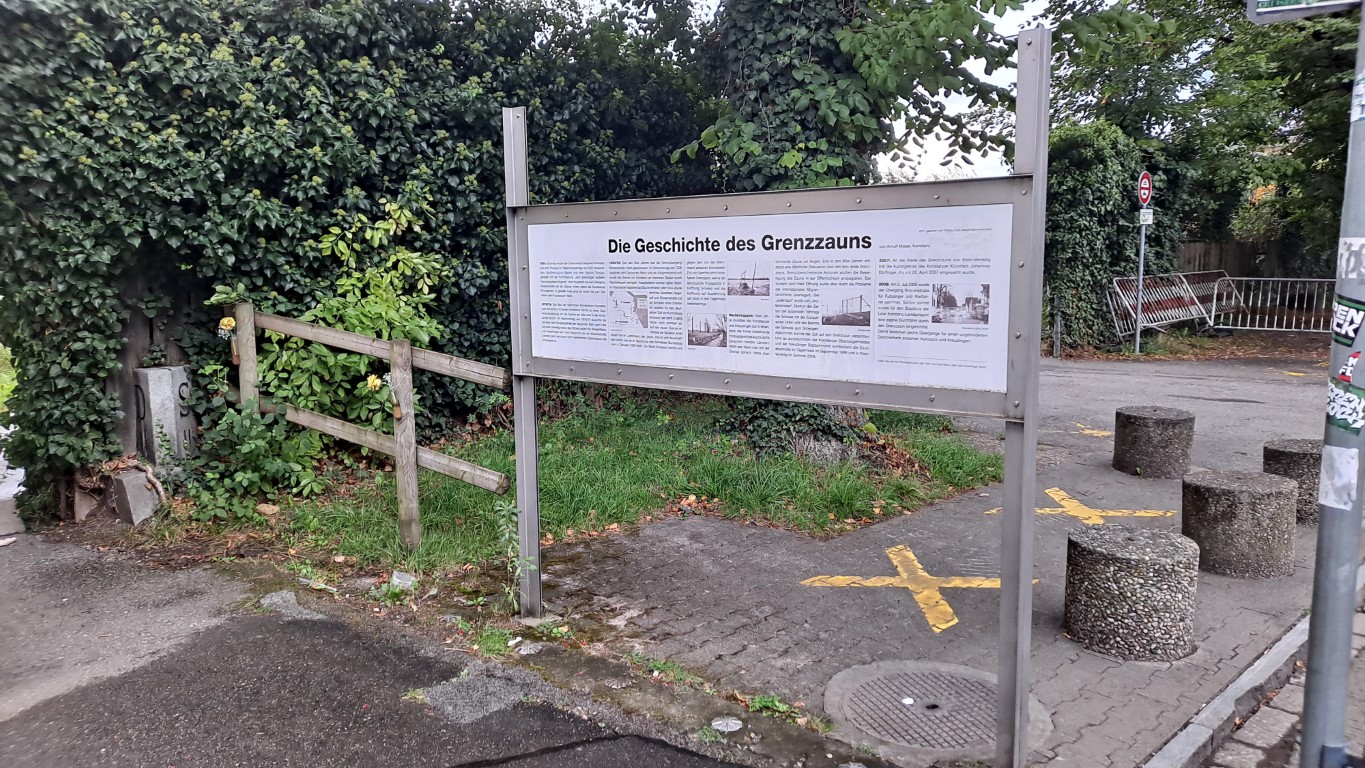
11
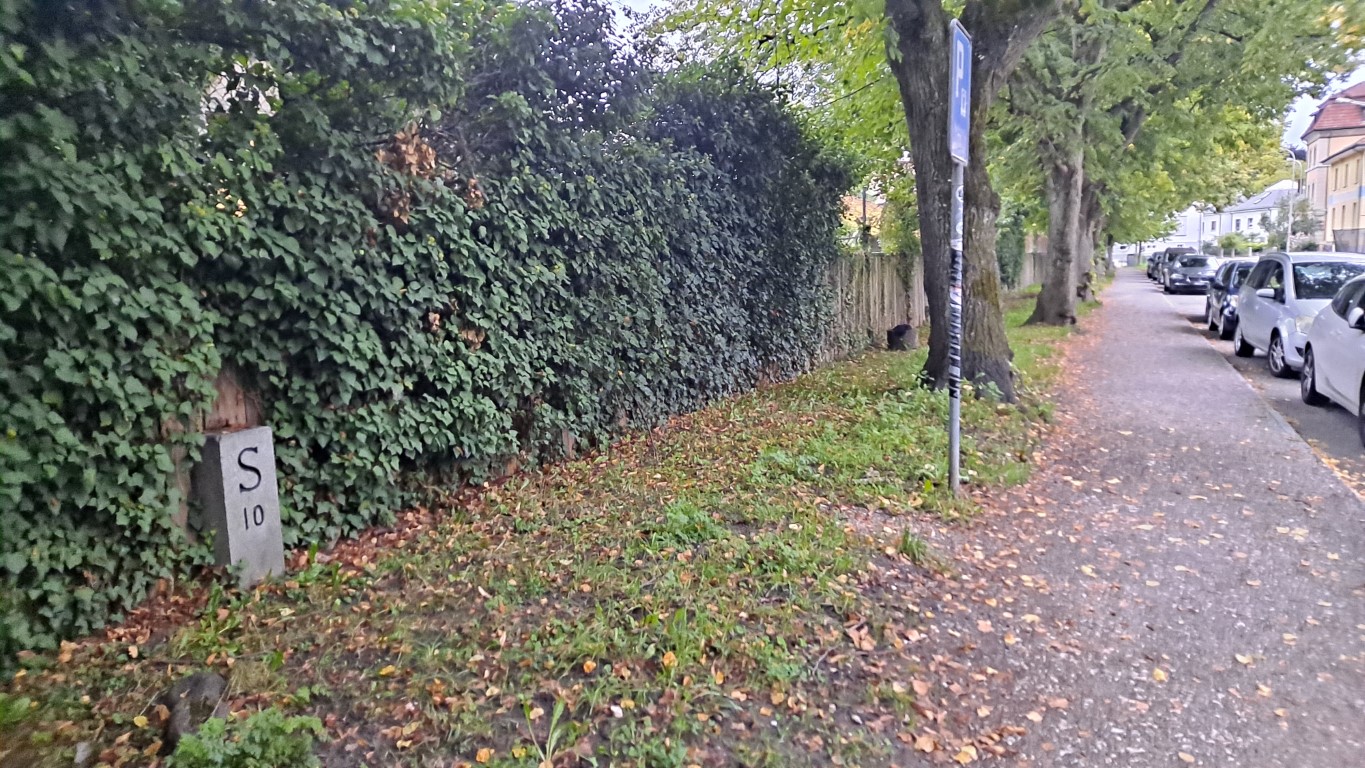
10
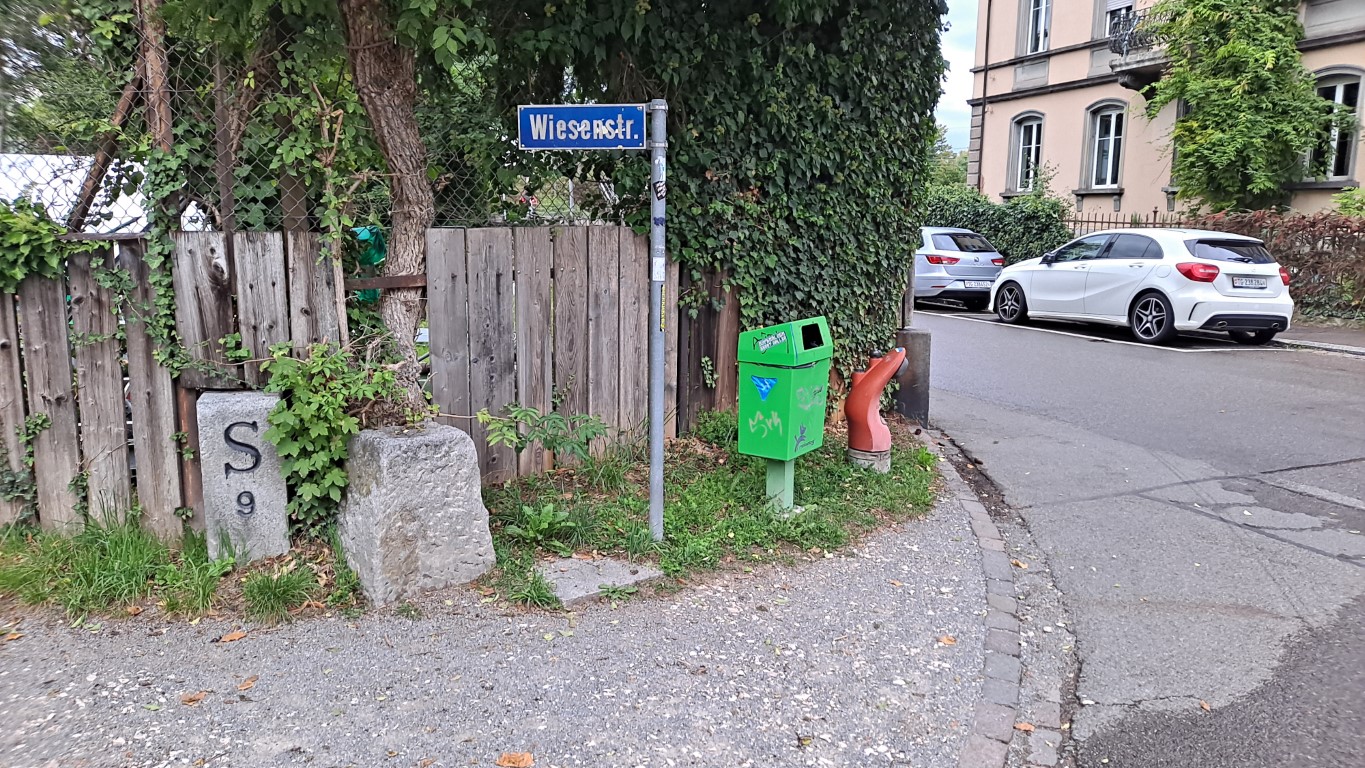
9
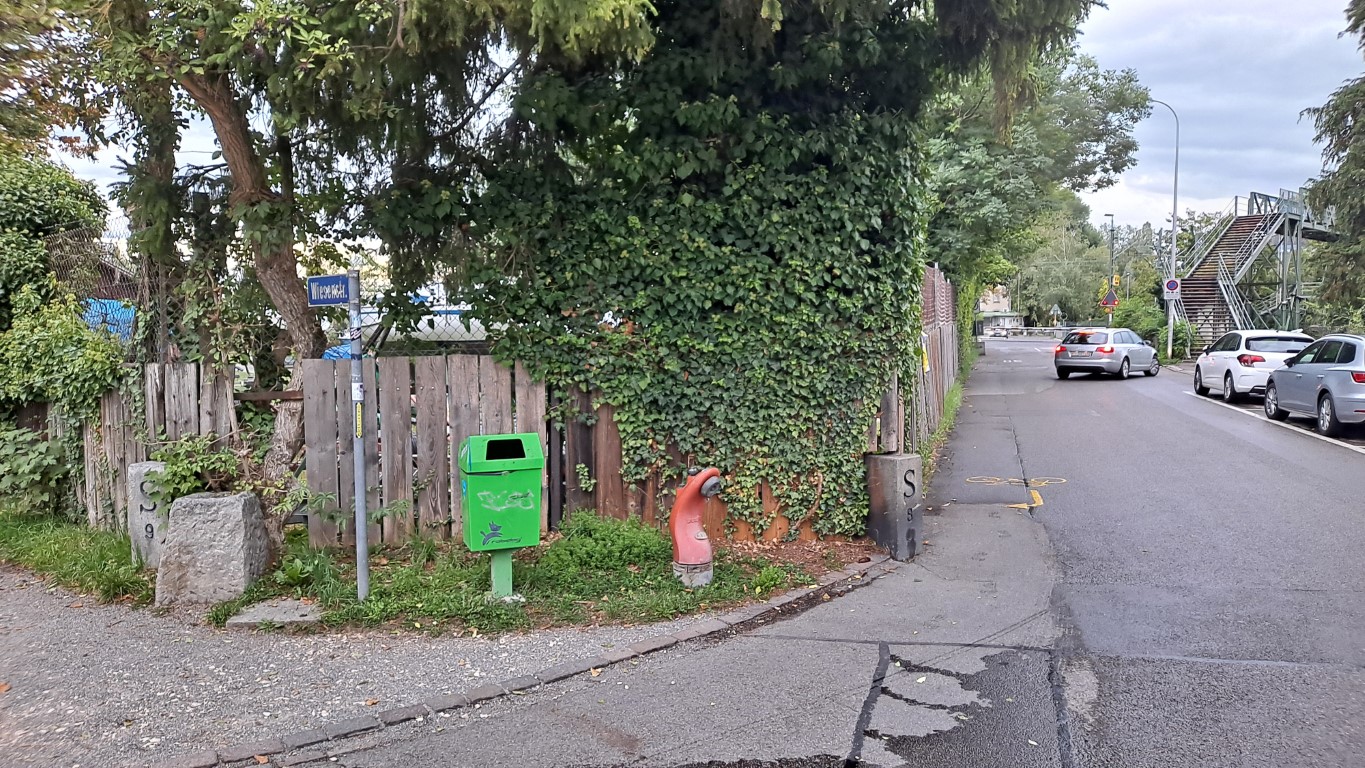
8
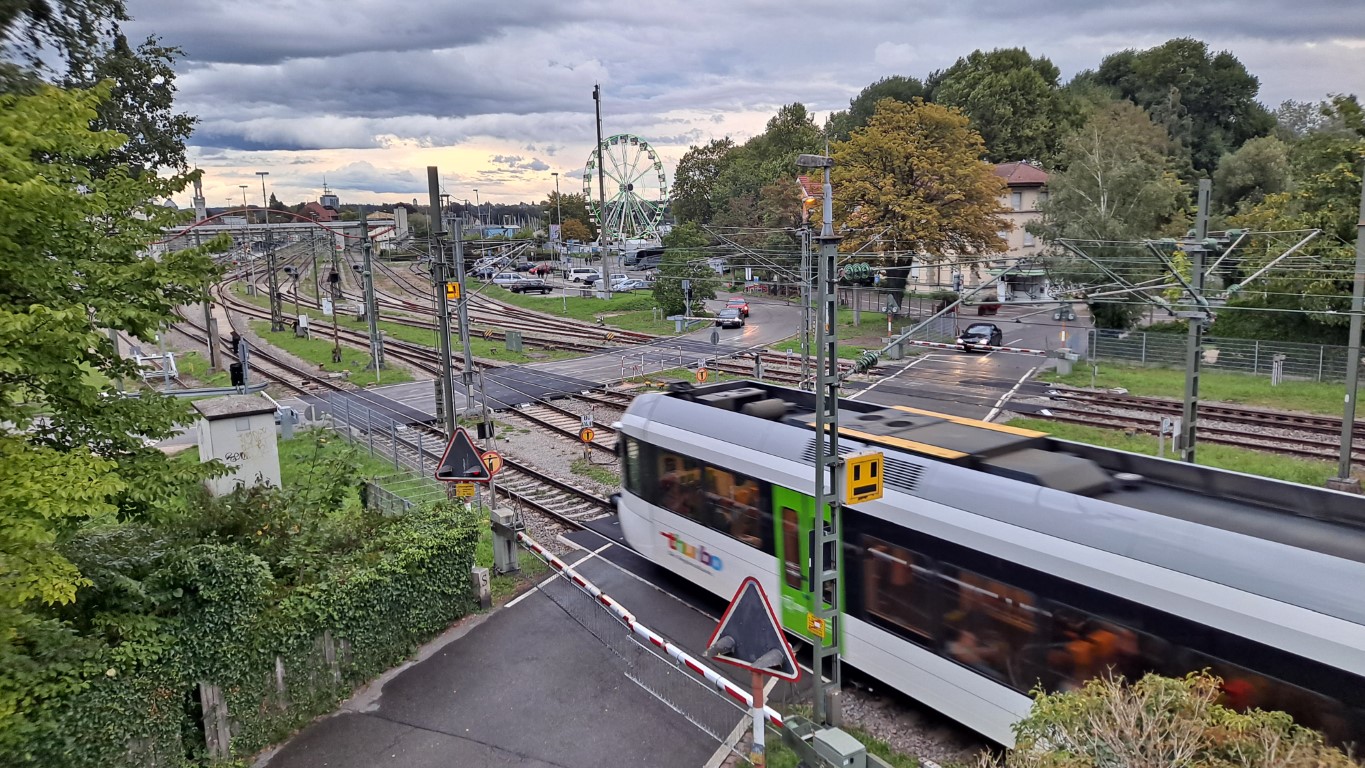
7
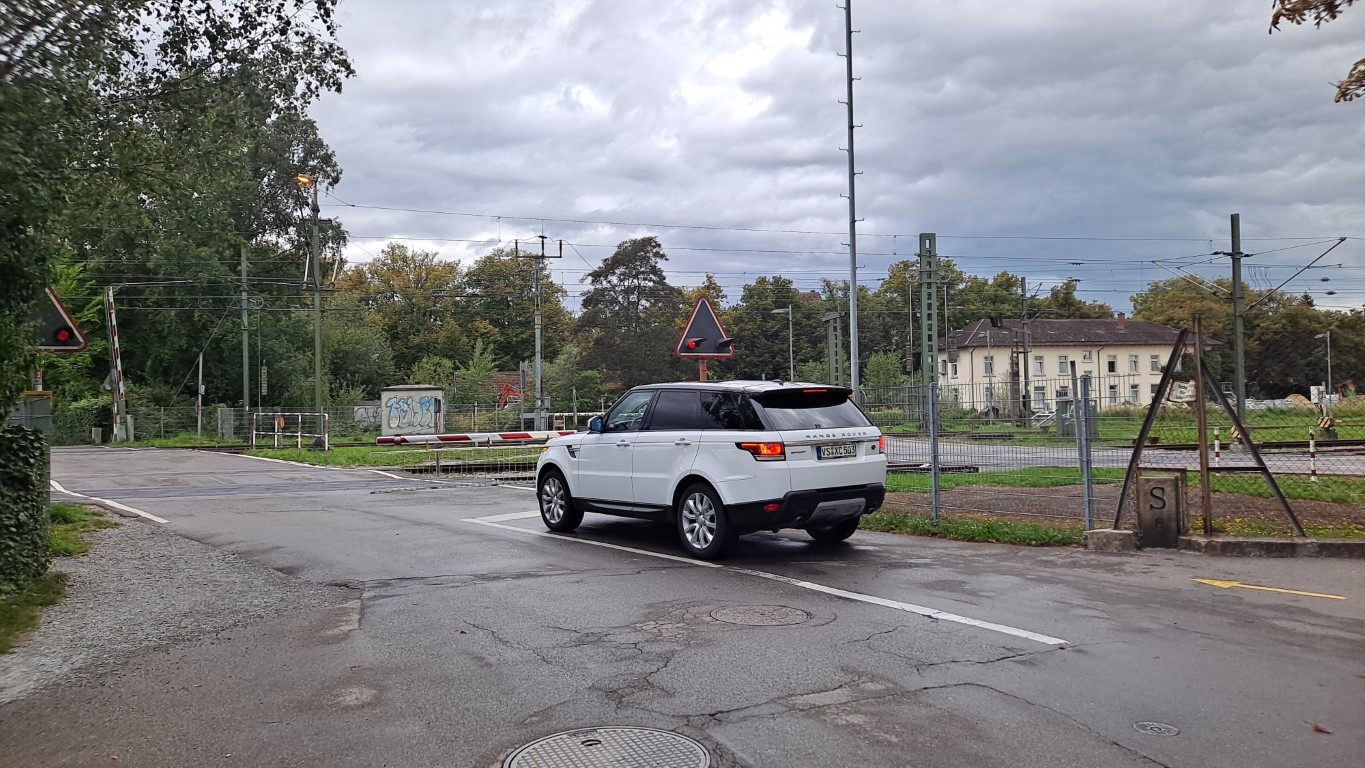
6
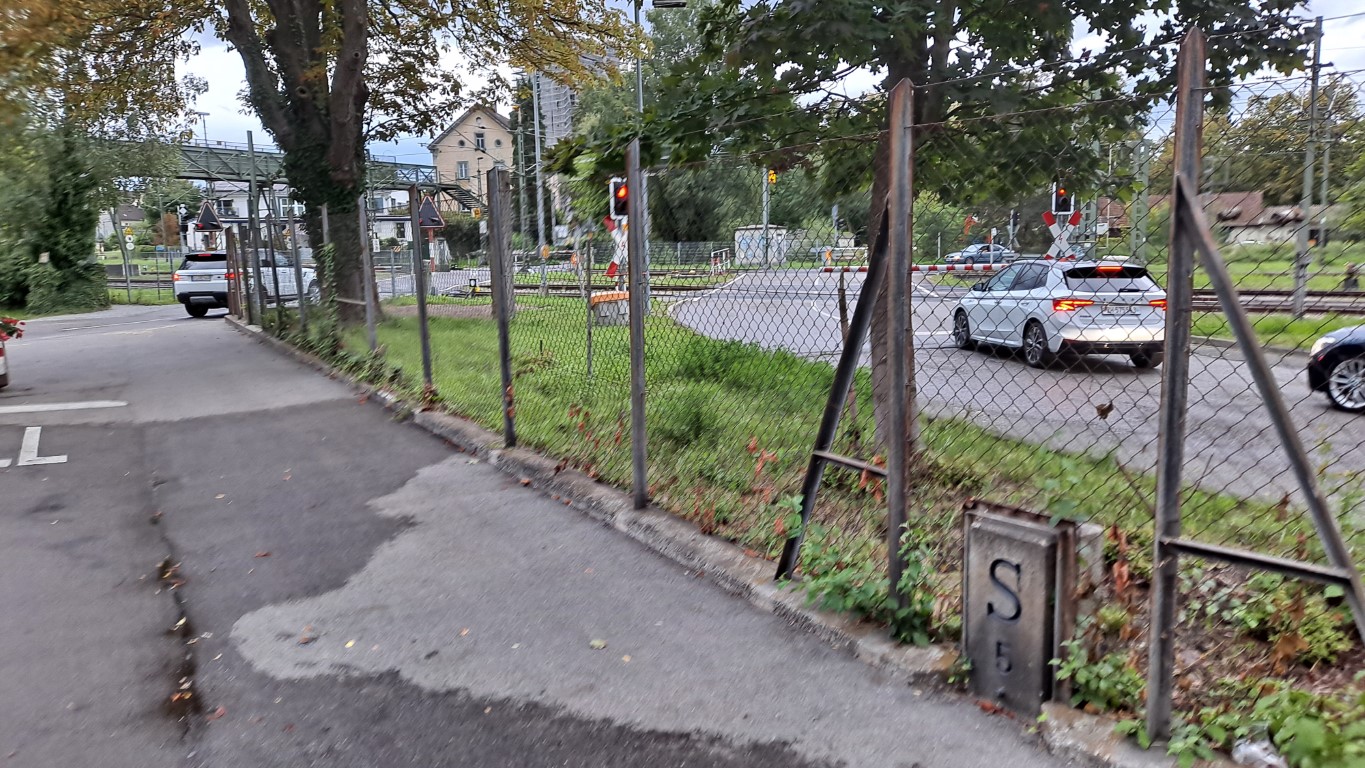
5
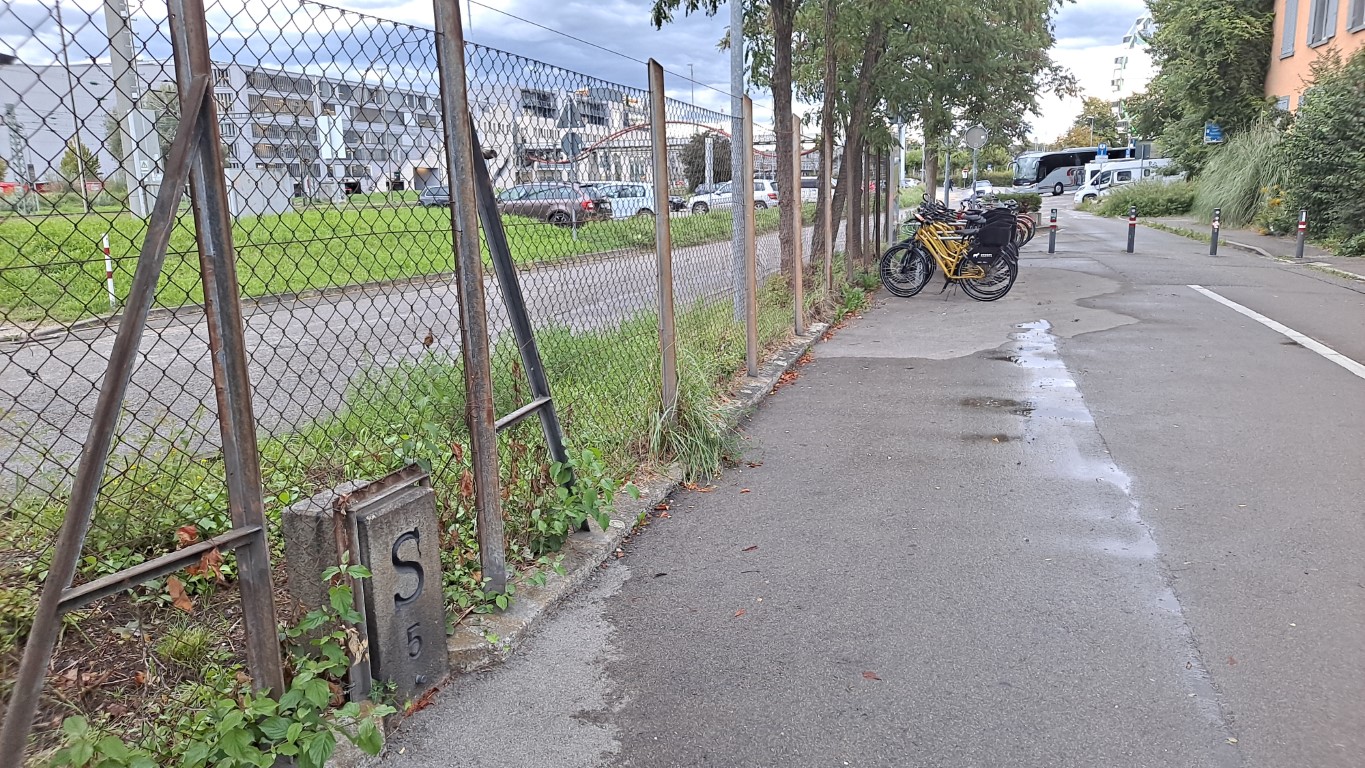
5
Boundary stone 2 is behind the building, near a children's playground.
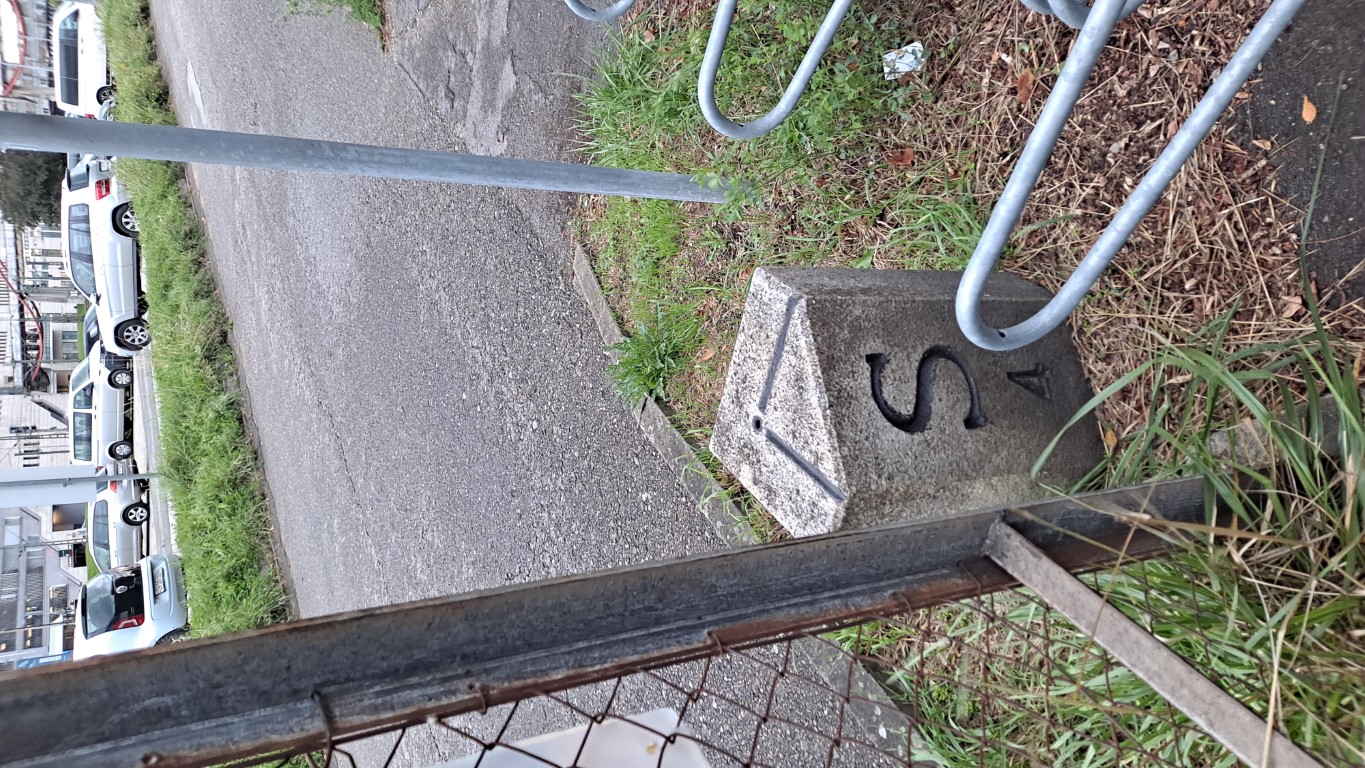
4
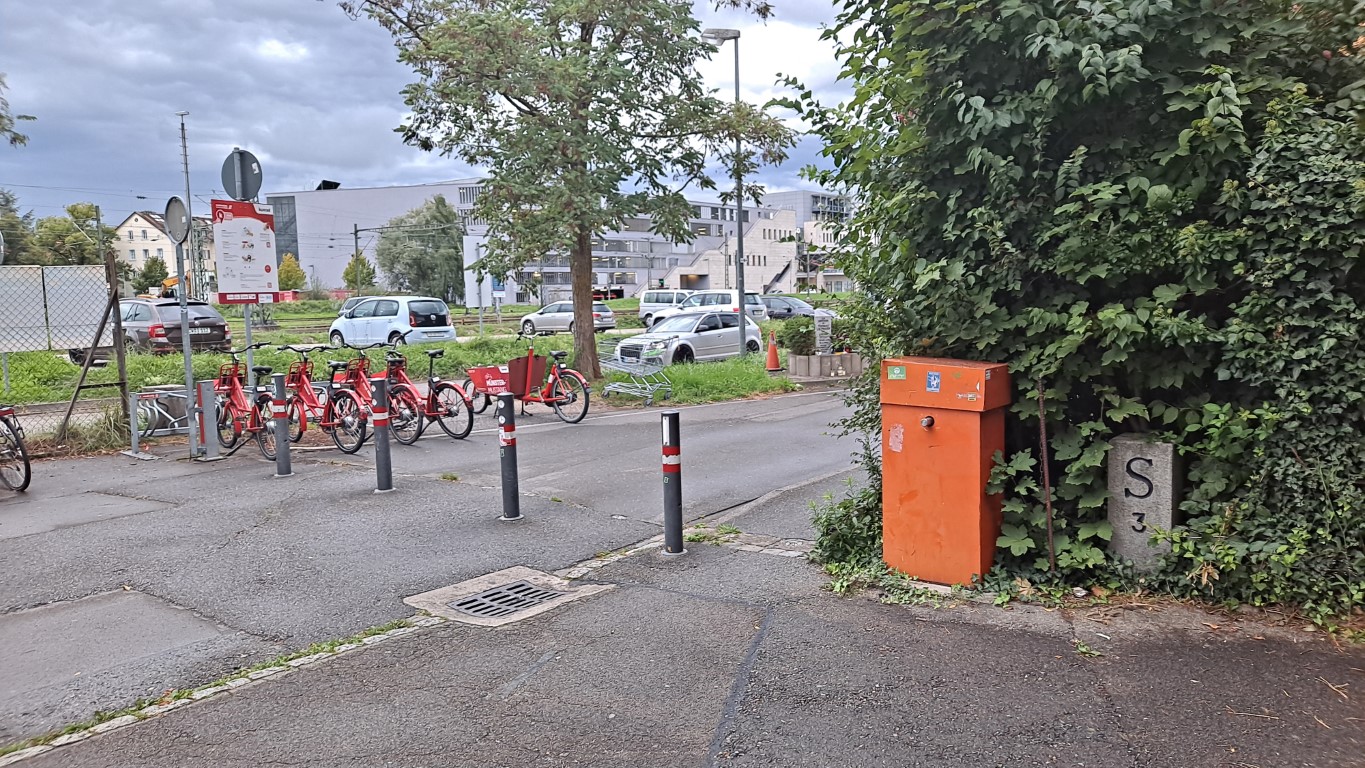
3
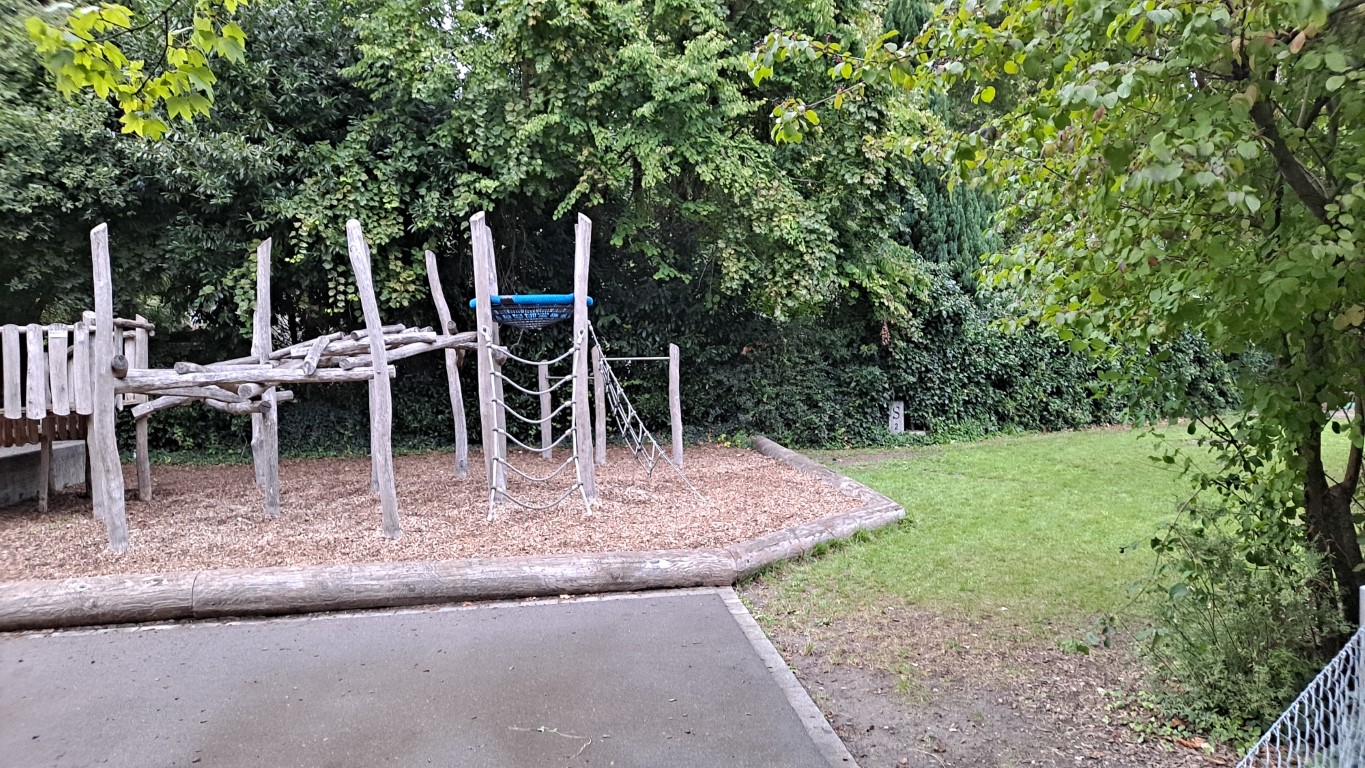
2
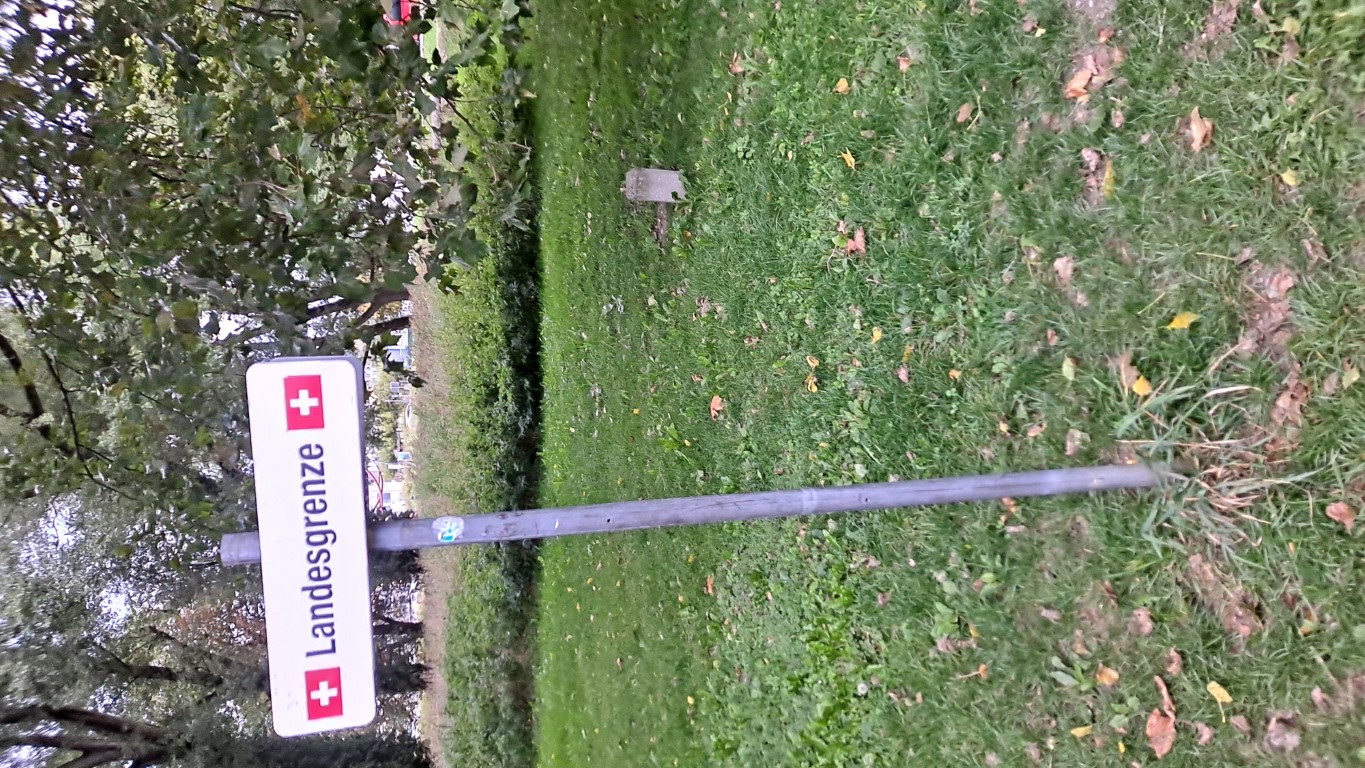
?
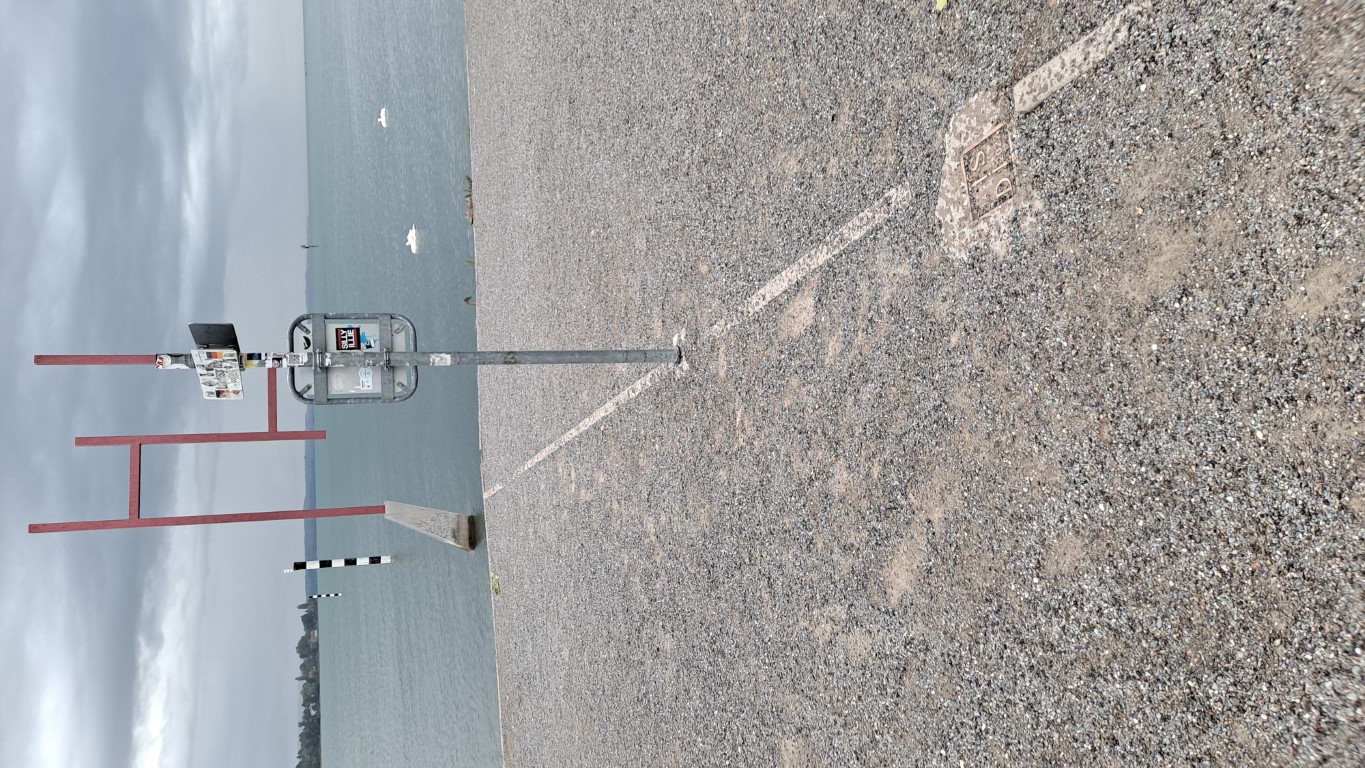
1A
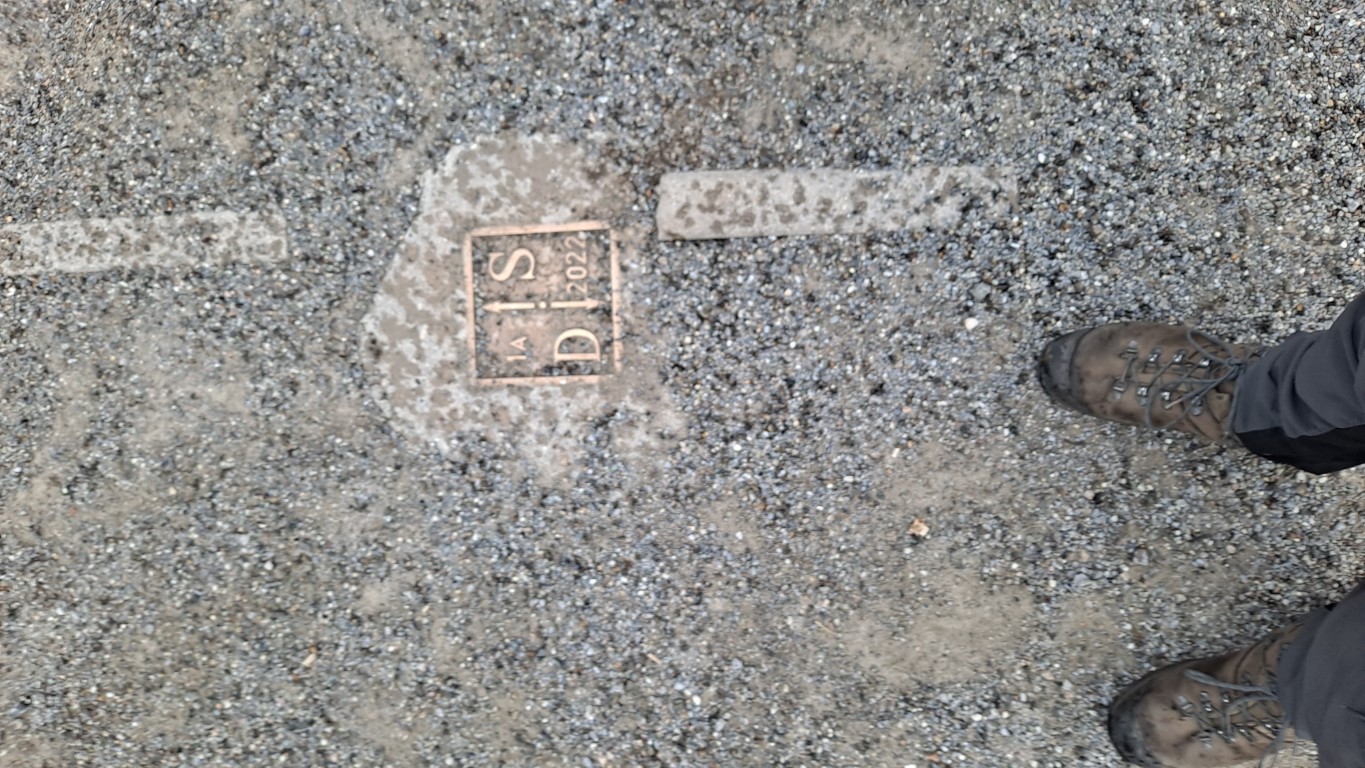
1A
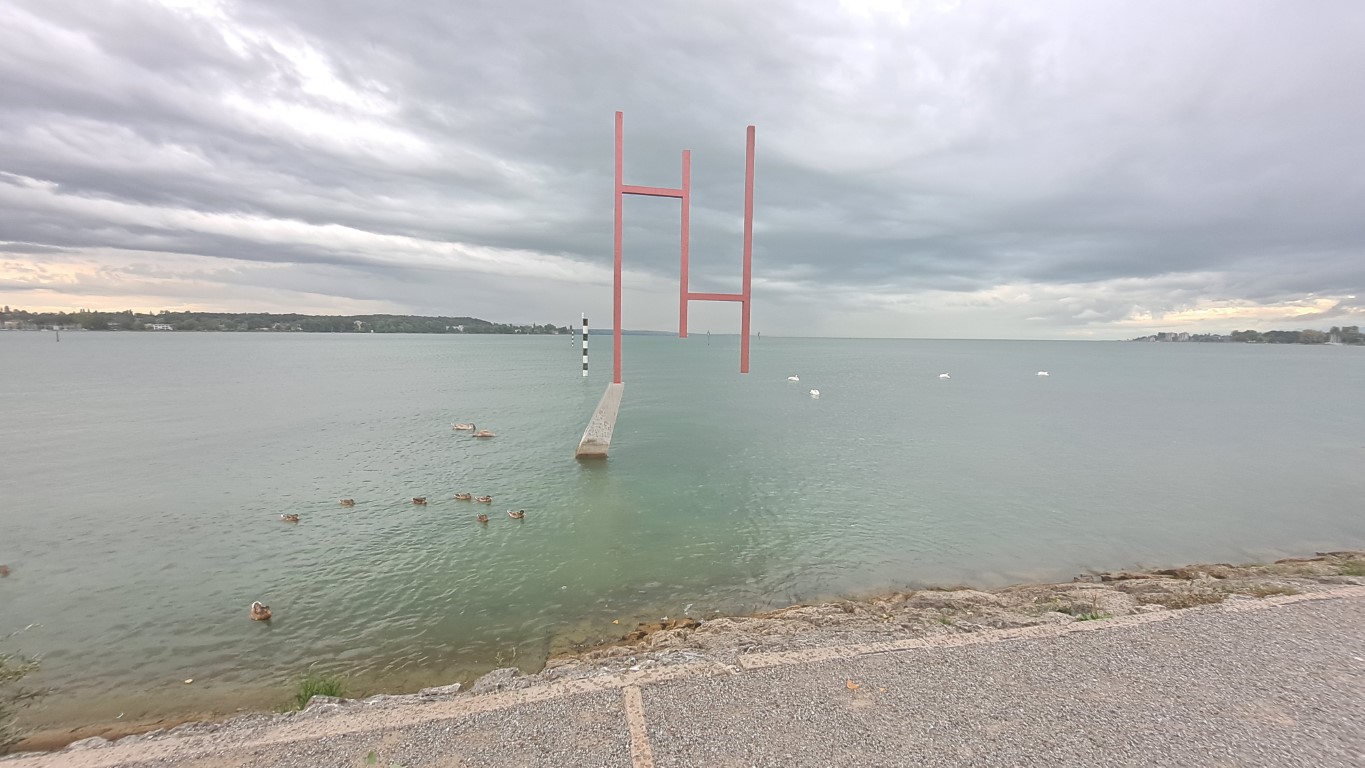
Bodensee
The tripoint Germany - Switzerland - Austria is located in the middle of the Bodensee.
We visited this tripoint in our 2013 Germany tour.
Ruud is watching the tripoint from somwhere on the German side.

AT-CH-DE